India-Pakistan T20 World Cup Toss Sees No Handshake, Continuing Policy
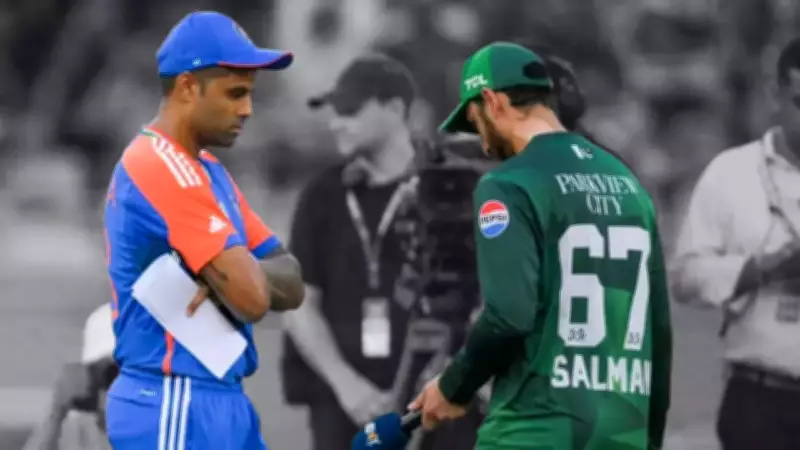
In a significant development during the T20 World Cup 2026 match between arch-rivals India and Pakistan in Colombo on Sunday, the customary post-toss handshake was notably absent. India captain Suryakumar Yadav and Pakistan skipper Salman Ali Agha did not shake hands, continuing India's established no-handshake policy against Pakistan that has been in place since the Asia Cup 2025 across both men's and women's cricket.
Clear Stance Maintained at Toss
The status quo was clearly maintained when neither Suryakumar nor Salman made any move to shake hands after the toss. This absence of the traditional gesture confirmed that India's approach remains unchanged at the prestigious T20 World Cup tournament. The Pakistan captain stated that he would like to "uphold" the spirit of cricket, while neither leader committed to the handshake protocol.
Pre-Match Comments and Positions
Ahead of the highly anticipated match, Suryakumar Yadav had declined to clarify his position at the pre-match press conference on Saturday. The Indian captain had said, "Wait for 24 hours. We are here to play cricket. Have good food and sleep," avoiding direct commentary on the handshake issue.

In contrast, Pakistan skipper Salman Ali Agha had indicated that Pakistan were open to the traditional gesture and that the decision ultimately rested with India. Agha had commented, "Cricket should be played in the right spirit. My personal opinion may not matter, but cricket should be played the way it has always been played. It's up to them to decide what to do."
Background of the No-Handshake Policy
During the Asia Cup, Suryakumar Yadav had previously declined to shake hands with the Pakistan captain, which led to a significant reaction from the Pakistani side. The incident prompted Pakistan to briefly consider boycotting their next fixture in the tournament before ultimately deciding to continue participation. The no-handshake policy remained firmly in place for the subsequent two matches between the teams, establishing a pattern that has now carried over to the T20 World Cup.
Criticism from Former Cricketer
Earlier on Sunday, former India cricketer Sanjay Manjrekar publicly criticized India's no-handshake policy against Pakistan, calling it "silly" and stating that it does not reflect well on a major cricketing nation. Manjrekar wrote on his X account, "This 'no shaking hands' is such a silly thing that India has started. It's unbecoming of a nation like ours. Either play properly within the spirit of the game or don't play at all."
The former player's comments highlight the ongoing debate surrounding sportsmanship and diplomatic gestures in high-stakes cricket matches between the two neighboring countries with a long history of political tensions.
Continuing Tradition of Limited Interaction
Sunday's development in Colombo confirmed that India's approach of limited formal interaction with Pakistani players remains unchanged at the T20 World Cup level. The policy, which began during the Asia Cup 2025, has now been extended to one of cricket's most prestigious global tournaments, indicating a sustained diplomatic stance through sporting events.
The match between India and Pakistan in the T20 World Cup 2026 continues to draw significant attention not only for the on-field cricket action but also for these off-field protocols and gestures that carry substantial symbolic weight in the context of India-Pakistan relations.