The Eden Gardens Miracle: When India Defied Cricket's Greatest Odds
In the vast annals of Test cricket, spanning 149 years and approximately 2,500 matches, a team winning after being forced to follow on has occurred only four times. This statistical rarity underscores the monumental achievement of the Indian cricket team in 2001. The third such instance in history is not merely a tale of numbers, player statistics, centuries, or wickets. It is a profound narrative of atonement overcoming guilt, of defiant determination seizing control against overwhelming odds.
A Philosophical Battle on the Cricket Field
Like a character from Joseph Conrad's 'Lord Jim', the Eden Gardens Test of 2001 presented a philosophical exposition on the will to triumph beyond ambiguity and near-impossibility. It was a clash between sympathy and judgment, self and the other, where the outcome remained uncertain until the final ball was bowled. From the Press Box high in the BC Roy Club House, observers witnessed a stream of consciousness imagery unfold over five days, culminating in a poetic 171-run victory—matching India's dismal first-innings total exactly.
This match is indelibly etched in memory, not just for the drama but for the personalities involved. Indian captain Sourav Ganguly infamously kept Australian skipper Steve Waugh waiting at the toss, setting a tense tone. Waugh retaliated by deploying an open offside field when Ganguly batted, challenging his renowned off-side strokeplay while trusting Australia's 16-Test winning streak to prevail.

From Despair to Redemption at Eden Gardens
Fresh from a 10-wicket defeat in Mumbai, India faced imminent disaster by the third afternoon in Kolkata. Memories of past collapses—like the 1996 World Cup semifinal against Sri Lanka and the 1999 Test versus Pakistan—loomed large, evoking fears of crowd unrest reminiscent of headlines about 'Blood, Bottle, and Bisleri' raining on Golgotha. Historically, Eden Gardens had seen chaos erupt during Indian defeats, but 2001 would tell a different story.
Instead of objects hurled in frustration, 80,000 fans rhythmically banged empty plastic water bottles, creating a calypso beat to rally Ganguly's men in their improbable pursuit. This collective energy fueled a redemption arc for both the team and its supporters, driven by two soft-spoken yet relentless crusaders.
The Heroic Partnership of Dravid and Laxman
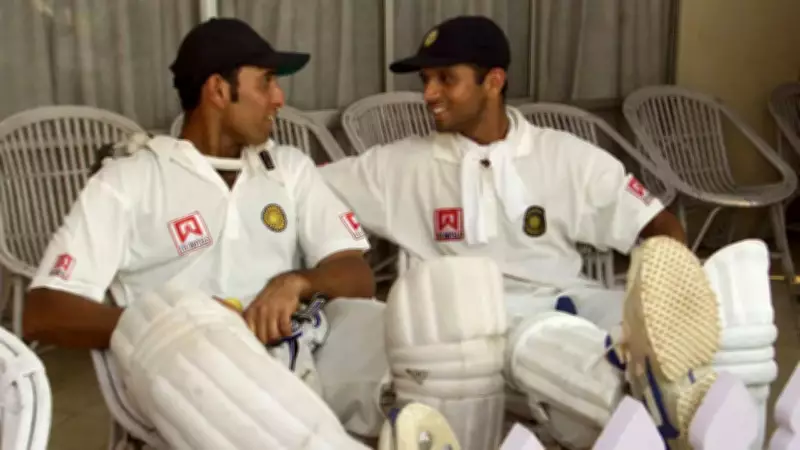
When Rahul Dravid and VVS Laxman donned their India caps, they transformed into heroes of epic proportions. Dravid, battling a poor run of form, and Laxman, with his elegant strokeplay, forged a partnership that defied Australia's bowling attack. Their resilience turned the tide, symbolizing a David-versus-Goliath struggle where the underdog refused to concede the last word.
In a post-match twist, Dravid's absence from the press conference contrasted sharply with Ganguly's directive to ask questions 'only in English' to hat-trick hero Harbhajan Singh, leaving the off-spinner flustered and journalists amused. When a composed Steve Waugh later faced the media, it was a moment of calm after the storm—cricketing justice delivered in its most cathartic form.
This victory transcends sport, embodying themes of perseverance, national pride, and the unpredictable magic of Test cricket. It remains a benchmark for comebacks, inspiring generations with its tale of against-all-odds triumph.