NEW DELHI: The Indian cricket team will experience a significant break from red-ball cricket, with their next Test match scheduled for August 2025 during their tour of Sri Lanka. This two-match away series forms part of the ongoing 2025–27 World Test Championship cycle, marking a substantial gap in India's longest format calendar.
Gill's Emphasis on Red-Ball Preparation
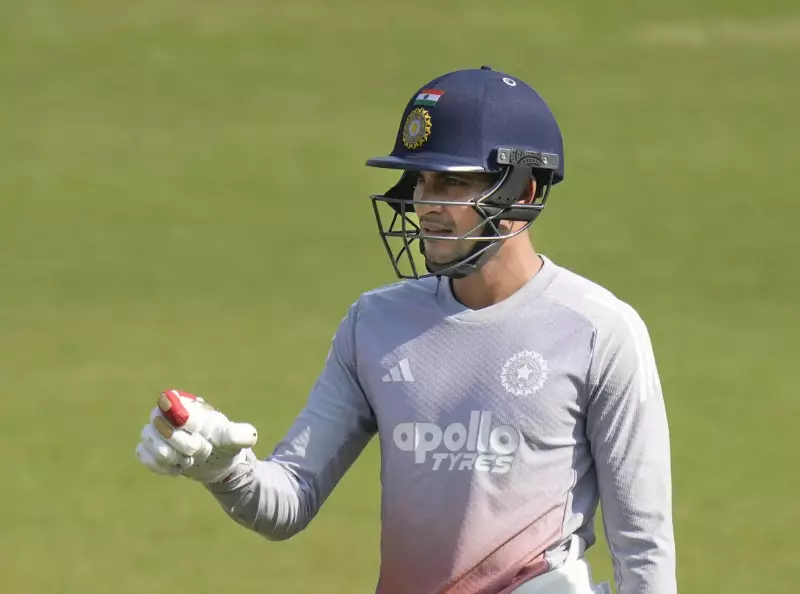
Captain Shubman Gill is determined to ensure that regular Test players maintain their red-ball skills during this hiatus. Recognizing the tendency for players to prioritize shorter formats before the Indian Premier League, Gill has advocated for structured preparation. "One of the suggestions that I was very keen on is, if you would see in the last two Test series that we played, we didn't have that much time to prepare," Gill explained during a recent press conference.
Ranji Trophy Participation for IPL-Bound Stars
The upcoming round of the Ranji Trophy will feature numerous current Indian cricket stars, as Gill wants them to play at least one domestic fixture before joining their respective IPL teams for the 2026 edition. This strategic move aims to prevent the erosion of red-ball skills that sometimes occurs when players focus exclusively on T20 cricket before the IPL season.

Coach Gautam Gambhir, chief selector Ajit Agarkar, and captain Gill held discussions before the ODI series against New Zealand, reaching consensus on this approach. The management unanimously supported Gill's suggestion, recognizing the importance of adequate preparation when transitioning between formats.
Learning from Past Scheduling Challenges
Gill highlighted the difficulties India faced before their recent Test series against South Africa, where the team lost 0-2. "It's not easy playing another match in a different country and then playing in India on the fourth day. Especially when you're traveling on long tours," he noted. The captain emphasized that previous scheduling patterns from 2016-2018 allowed more recovery and preparation time between series.
"Maybe it would be easier to have a little loose calendar," Gill suggested. "Maybe it's easier to play a match on the 10th day. Maybe it's easier to play a match on the 12th day. It gives a bit of breather for the players as well, and it gives you that time to prepare and feel confident for the next series."
Dual Leadership and Future Planning
Currently leading both the ODI and Test sides, Gill is fine-tuning plans for multiple upcoming challenges. While not part of the 2026 T20I World Cup squad, the young captain is focusing on the ongoing World Test Championship cycle and preparing for the 2027 ODI World Cup. His leadership extends across formats, with particular attention to building sustainable success in Test cricket.
ODI Bowling Strategy Development
Considerable attention is also being given to India's 50-over format strategy. The thinktank has identified the need for an effective first-change bowler who can provide penetration during middle-overs. The management believes a seam bowler with specific skills could address this requirement.
Kuldeep Yadav, despite having a challenging series against New Zealand, continues to receive backing from key decision-makers. Meanwhile, the team is actively grooming fast bowlers for future challenges beyond just the 2027 World Cup.
Building a Fast Bowling Core
Young talents like Harshit Rana are receiving opportunities due to their ability to hit the deck hard and mix up deliveries effectively. Prasidh Krishna's continuous backing stems from management's belief that his extra pace and bounce can add a surprise element during middle-overs.
Mohammed Siraj remains a regular in the ODI setup, particularly valuable since the new ball change rule has revived reverse-swing in ODI cricket—a skill Siraj excels at utilizing. Together with Jasprit Bumrah, Arshdeep Singh, and other emerging talents, India is building a fast bowling core for the coming years.
The key challenge will be deploying these bowlers strategically based on their specific skill sets and match situations. Both Gill and Gambhir are particularly focused on achieving better middle-overs penetration, recognizing this as crucial for ODI success in modern cricket.