T20 World Cup Aftermath: India's Captaincy Transition Raises Questions
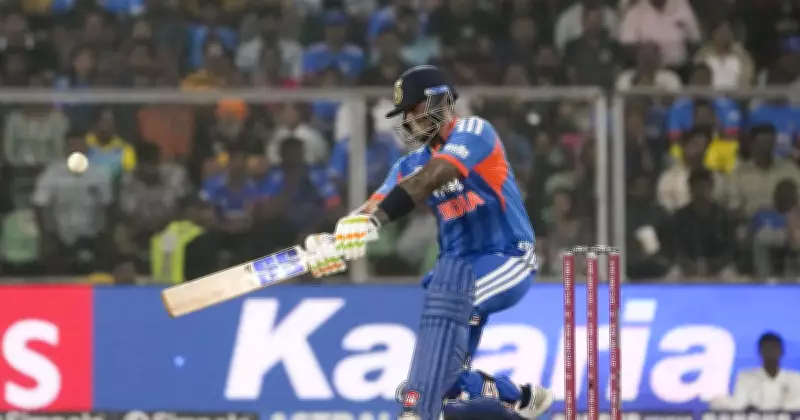
Since assuming the captaincy from Rohit Sharma following the T20 World Cup in July 2024, Suryakumar Yadav has faced significant challenges in maintaining his explosive batting form. The weight of leadership appears to have impacted his natural game, raising concerns about India's future in T20 cricket.
The Captaincy Burden on Suryakumar Yadav
Suryakumar Yadav, once celebrated as one of the most destructive batters in world cricket, has struggled to replicate his previous dominance since taking over team leadership. The transition from Rohit Sharma's successful tenure has proven more difficult than anticipated, with the additional responsibilities affecting his batting consistency and match-winning capabilities.
Team Dynamics and Performance Analysis
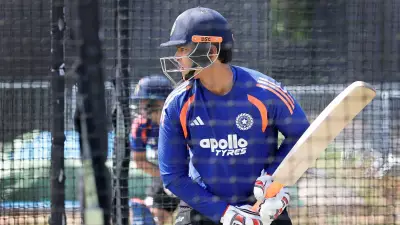
While India's T20 squad shows promising talent with players like Ishan Kishan and Shivam Dube in the lineup, the team's overall performance has been inconsistent. Recent matches in Thiruvananthapuram and Visakhapatnam have highlighted both strengths and weaknesses in the current setup.

The key areas of concern include:
- Batting consistency in pressure situations
- Leadership transition management
- Team balance and player roles
- Adaptability to different match conditions
Looking Ahead: India's T20 Cricket Future
Despite current challenges, the Indian cricket team possesses significant potential for growth. The experience gained through this transition period could prove valuable for future tournaments. The management faces crucial decisions regarding team composition, leadership support, and strategic planning as they prepare for upcoming international competitions.
The coming months will be critical for Suryakumar Yadav and the Indian team as they work to address these concerns while building toward future success in T20 cricket.