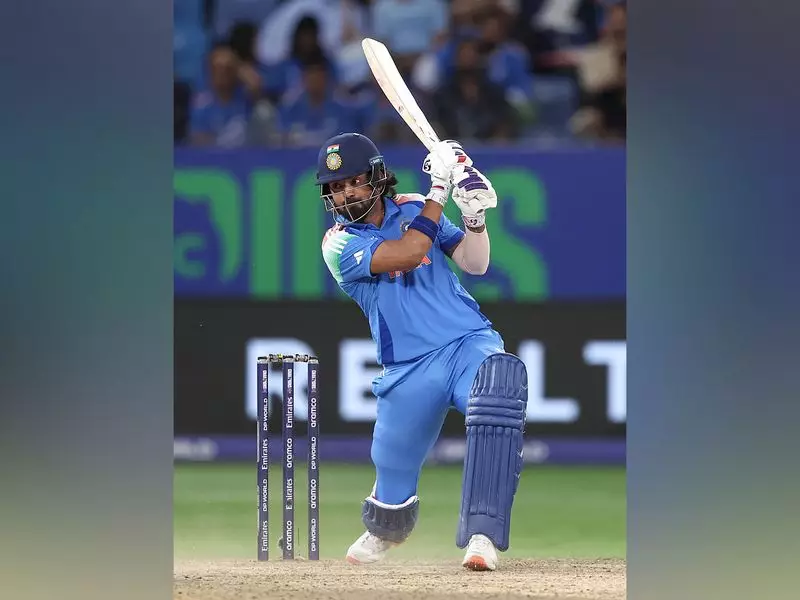
Indian cricket star KL Rahul has stepped up to lead the national team in their upcoming tour of Zimbabwe, following the unexpected injury to regular captain Shubman Gill. The development comes as a significant moment in Rahul's career as he prepares to shoulder leadership responsibilities once again.
Unexpected Captaincy Call for Zimbabwe Tour
The Board of Control for Cricket in India (BCCI) confirmed that Shubman Gill has been ruled out due to injury, creating an unexpected vacancy in the captaincy position. This turn of events has paved the way for KL Rahul to take charge of the Indian squad during their Zimbabwe assignment.
Rahul expressed his readiness for the challenge, stating that he looks forward to enjoying the responsibility that comes with leading the national team. The wicketkeeper-batsman brings considerable leadership experience to the role, having captained various teams in different formats throughout his career.

Rahul's Leadership Philosophy and Approach
When asked about his perspective on captaincy, Rahul emphasized his positive outlook toward leadership roles. "I've always believed that captaincy is about embracing challenges and enjoying the process," he shared during media interactions. His statement reflects a mature approach to leadership that focuses on team dynamics and strategic thinking.
The experienced cricketer highlighted how previous captaincy stints have prepared him for this opportunity. Rahul has previously led teams in the Indian Premier League and international matches, giving him valuable exposure to high-pressure situations and decision-making scenarios.
Team Dynamics and Future Prospects
The Indian team management has expressed confidence in Rahul's ability to guide the team effectively during the Zimbabwe tour. His appointment ensures continuity in leadership approach while maintaining the team's competitive edge.
This development also opens up interesting possibilities for India's leadership structure in limited-overs cricket. With multiple players gaining captaincy experience, the team builds valuable depth in leadership resources for future tournaments and series.
The Zimbabwe tour represents an important opportunity for Rahul to stamp his authority as a leader while managing a blend of experienced and young players. His approach to handling different personalities and creating a cohesive unit will be closely watched by cricket analysts and fans alike.
As the team prepares for the challenging conditions in Zimbabwe, all eyes will be on how Rahul marshals his resources and implements strategies against the host team. The series promises to be an exciting chapter in India's cricket calendar and Rahul's leadership journey.