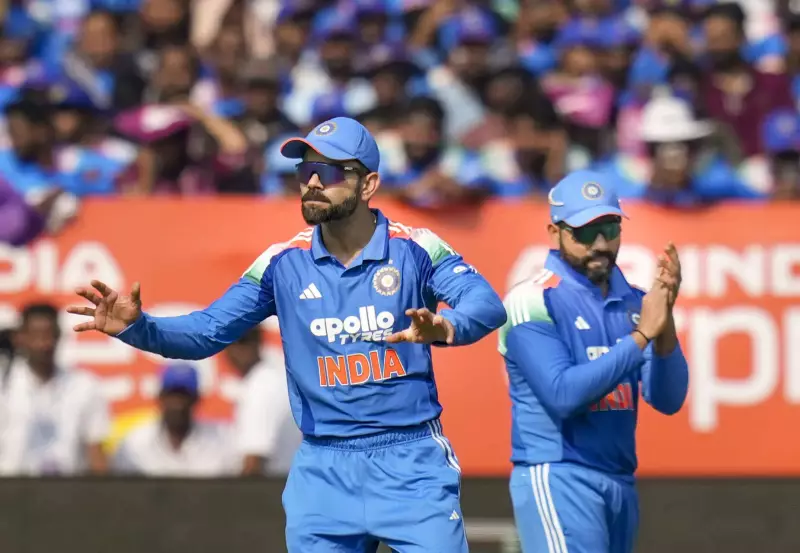
The return of cricket superstars Virat Kohli and Rohit Sharma to India's premier domestic one-day competition, the Vijay Hazare Trophy, has generated significant excitement and discussion. While the tournament lacks the glitz and financial muscle of the Indian Premier League (IPL), it serves as the critical foundation for the country's white-ball cricket system. The participation of these two icons has shifted focus not just to the on-field action but also to the organizational and financial frameworks that underpin domestic cricket.
The Tiered Pay System: Experience Over Stardom
In a stark contrast to the IPL's auction-driven salaries, player earnings in the Vijay Hazare Trophy operate under a transparent, experience-based model. For the 2025–26 season, match fees are determined by a tiered system linked directly to the number of List A matches a cricketer has played. This structure ensures that seasoned domestic campaigners are rewarded for their service, placing veterans like Kohli and Rohit in the top earning bracket alongside other players with similar experience, not based on their global fame.
The BCCI's framework is clearly defined. Senior players with more than 40 List A appearances earn Rs 60,000 per match if selected in the playing XI, and Rs 30,000 if they are part of the reserves. The mid-level category, for those with 21 to 40 games, receives Rs 50,000 (playing) and Rs 25,000 (reserve). Junior cricketers with up to 20 List A matches get Rs 40,000 per game when playing and Rs 20,000 on the bench.

Kohli and Rohit's Domestic Earnings in Perspective
In the current season, Virat Kohli, representing Delhi, and Rohit Sharma, playing for Mumbai, both qualify for the senior category, having comfortably surpassed the 40-match threshold. Consequently, they each receive the standard Rs 60,000 per Vijay Hazare Trophy game. This figure presents a dramatic contrast to their international match fees, where the BCCI pays them Rs 6 lakh per ODI—ten times the domestic rate.
However, match fees are not the sole component of a player's income during the tournament. The compensation package also includes:
- Daily allowances to cover travel, food, and accommodation costs.
- Performance bonuses, such as the Man of the Match award, which typically carries a cash prize of Rs 10,000.
- Team prize money for sides that progress to the knockout stages, shared among players and support staff.
The Bigger Picture for Domestic Cricket
The buzz created by the star duo's participation underscores the Vijay Hazare Trophy's vital role in nurturing talent. It highlights a pay ecosystem designed to reward long-term commitment to the domestic grind. While the financial gap between international and domestic cricket remains wide, the structured system ensures a predictable income for players across all levels, forming the essential backbone that feeds the national team. The presence of icons like Kohli and Rohit not only elevates the tournament's profile but also brings renewed attention to the unsung heroes of India's cricketing landscape.