IPL Founder Lalit Modi Unveils Bidding History for RCB and CSK
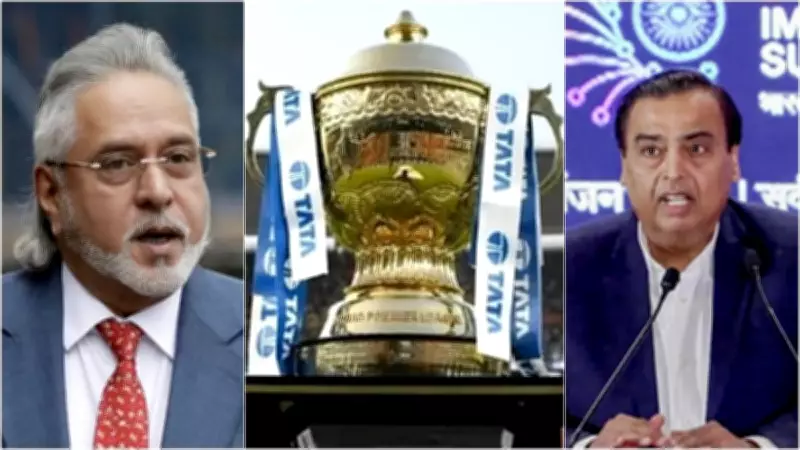
In a stunning revelation, Lalit Modi, the founder of the Indian Premier League (IPL), has disclosed the original bidding intentions for two of the league's most iconic franchises: Royal Challengers Bangalore (RCB) and Chennai Super Kings (CSK). According to Modi, during the inaugural IPL auction in 2008, business tycoons Vijay Mallya and Mukesh Ambani initially targeted these teams, a fact that reshapes the known narrative of the league's early days.
Vijay Mallya's Bid for Royal Challengers Bangalore
Modi revealed that Vijay Mallya, the flamboyant liquor baron, was the first to express interest in acquiring the Bangalore franchise. Mallya, known for his ventures in aviation and spirits, saw the IPL as a lucrative opportunity to expand his brand's reach. However, due to unforeseen circumstances, Mallya's bid did not materialize as planned, leading to the team eventually being secured by United Spirits, a subsidiary of his own group, but under different management dynamics. This twist highlights the volatile nature of business dealings in sports, where initial plans can quickly evolve.
Mukesh Ambani's Interest in Chennai Super Kings
Similarly, Mukesh Ambani, the chairman of Reliance Industries, showed keen interest in the Chennai-based team. Ambani, a titan in the Indian corporate world, envisioned leveraging the franchise to bolster his conglomerate's presence in the sports and entertainment sectors. Despite his initial bid, the team ultimately went to India Cements, owned by N. Srinivasan, who has since become a central figure in Indian cricket administration. Modi's disclosure underscores how high-stakes negotiations in the IPL's formative years involved some of India's most powerful industrialists, shaping the league's commercial landscape.

Impact on IPL's Evolution and Legacy
These revelations shed light on the competitive bidding wars that characterized the IPL's inception. The league, launched in 2008, revolutionized cricket by blending sports with entertainment and big business. Modi's insights into the early bids by Mallya and Ambani emphasize how the IPL attracted diverse investors, from traditional industrialists to new-age entrepreneurs, fostering a dynamic ecosystem. Today, RCB and CSK are among the most popular and successful teams, with loyal fan bases and significant brand value, partly rooted in these foundational bidding stories.
Furthermore, this disclosure adds a layer of historical context to the IPL's ongoing narrative. As the league continues to grow, with new teams and expanded formats, understanding its origins helps appreciate the strategic decisions that have driven its success. Modi's revelations remind us that behind the glitz and glamour of IPL matches, there are complex business maneuvers and visionary leadership that have cemented its status as a global sporting phenomenon.