Opposition MPs Criticize Sports Minister Over Pakistan's T20 World Cup Boycott
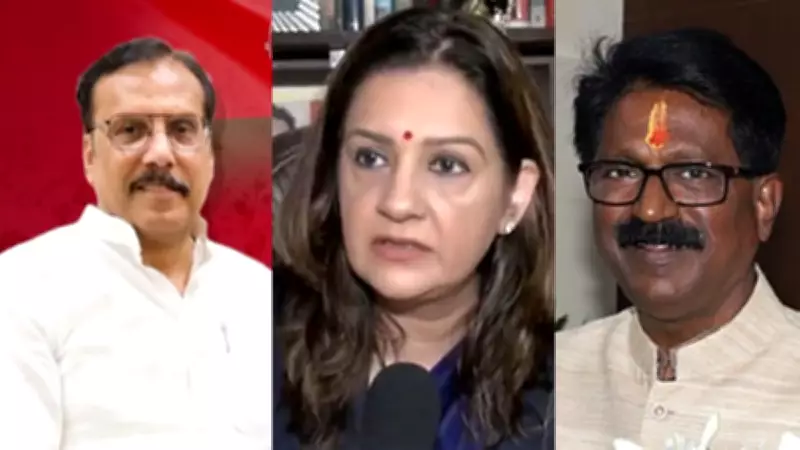
Members of Parliament from the Samajwadi Party and Shiv Sena (UBT) have launched a sharp critique against Union Sports Minister Anurag Thakur, following Pakistan's decision to boycott a T20 World Cup match against India. The political leaders have described this development as a significant diplomatic setback, labeling it a "slap on the face" of India's sports administration and its efforts in international cricket relations.
Political Reactions to the Boycott Announcement
The controversy erupted after Pakistan officially declared its intention to skip the scheduled T20 World Cup encounter with India, citing unresolved political and security concerns. This move has not only stirred the cricketing community but has also ignited a fiery debate within the Indian political landscape. Opposition MPs argue that the boycott reflects poorly on the current government's ability to foster positive sports diplomacy with neighboring nations.
In their statements, the MPs emphasized that such incidents undermine the spirit of sportsmanship and the potential for cricket to act as a bridge between the two historically tense countries. They pointed out that the failure to secure Pakistan's participation highlights a broader issue in the management of international sports engagements under Minister Thakur's oversight.

Implications for India's Sports Diplomacy
The boycott has raised serious questions about the effectiveness of India's sports diplomacy strategies, particularly in the context of high-profile events like the T20 World Cup. Critics assert that the government should have anticipated and addressed Pakistan's concerns proactively to prevent such a public snub. The incident is seen as a missed opportunity to showcase India's organizational capabilities and its commitment to peaceful international relations through sports.
Moreover, the MPs highlighted that this episode could have long-term repercussions for India's standing in global sports forums. They called for a thorough review of the policies and approaches adopted by the Sports Ministry to ensure that similar situations are avoided in the future. The criticism underscores a growing demand for more robust and strategic planning in handling cross-border sports events.
Broader Political and Sporting Context
This development occurs against a backdrop of ongoing political tensions between India and Pakistan, which have frequently spilled over into the sporting arena. The boycott is not an isolated incident but part of a pattern of disruptions in bilateral cricket relations. The opposition MPs argue that the current administration needs to adopt a more nuanced and effective approach to navigate these complex dynamics.
They also stressed the importance of maintaining the integrity and excitement of international tournaments, which are often viewed by millions of fans worldwide. The absence of a high-stakes match like India versus Pakistan diminishes the tournament's appeal and could impact viewership and commercial interests associated with the event.
In conclusion, the criticism from Samajwadi Party and Shiv Sena (UBT) MPs serves as a stark reminder of the challenges in balancing sports and diplomacy. It calls for renewed efforts and smarter strategies from the Sports Ministry to uphold India's prestige and foster harmonious relations through the universal language of cricket.