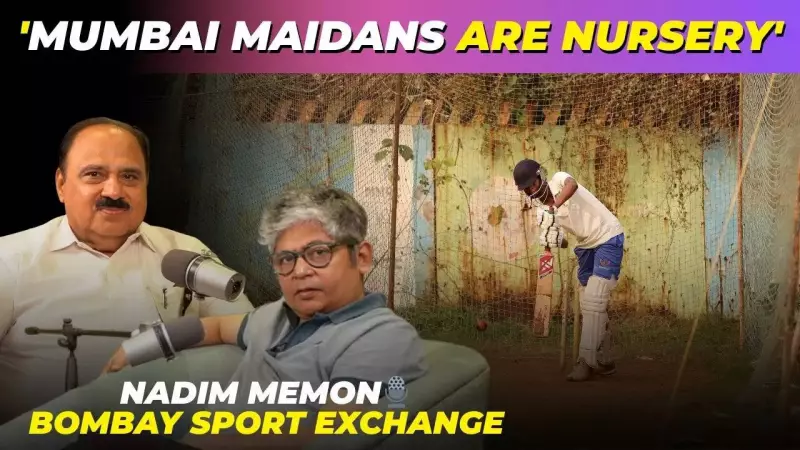
For generations, the sprawling maidans of Mumbai served as the vibrant, beating heart of Indian cricket. These vast public grounds were the hallowed turf where dreams were forged and future legends took their first steps. Today, however, a concerning shift is underway. These historic spaces are increasingly being sidelined, losing both physical territory and their central relevance in the city's evolving sports culture.
The Fading Legacy of Mumbai's Grassroots Nurseries
The maidans, including iconic names like Azad, Oval, and Cross, were more than just patches of grass. They were the backbone of Mumbai cricket, a free and accessible ecosystem that democratized the sport. From dawn till dusk, these grounds buzzed with activity, hosting countless matches simultaneously. It was here that a unique, competitive street-smart cricket was born, producing a relentless pipeline of talent for the national team. The very fabric of Mumbai's cricketing dominance was woven on these maidans.
Modern Pressures and Shifting Priorities
So, what has changed? The reasons for their decline are multifaceted. Intense urban development pressure in a space-starved city has made these large, open grounds prime targets for other infrastructure needs. The rise of private, enclosed cricket academies with modern facilities offers a structured, but often expensive, alternative for aspiring players. Furthermore, the city's sporting focus has fragmented, with football, badminton, and other sports gaining popularity and competing for the youth's attention and limited public space.

This neglect has tangible consequences. The maidans are losing space, and their maintenance often falls by the wayside. The once-bustling network of local tournaments that thrived on these grounds has diminished. This erosion threatens to sever a critical link in the talent chain, potentially impacting the raw, instinctive style of play that Mumbai was famous for.
What Does the Future Hold for These Iconic Grounds?
The fading prominence of the maidans raises critical questions about the future of accessible sport in Mumbai. While professional leagues like the IPL and private coaching represent one pathway, they are not a substitute for the unstructured, mass-participation culture the maidans fostered. Preserving these spaces is not just about nostalgia; it's about safeguarding a crucial piece of sporting heritage and ensuring the sport remains within reach for every child, regardless of economic background.
The challenge now is to find a balance. Integrating modern facilities within these historic spaces, organizing more structured events, and recognizing their value as historic cricket grounds are essential steps. Without conscious effort and policy support, the very grounds that built Mumbai's cricketing empire risk becoming mere footnotes in the city's history, overshadowed by commercial complexes and a changing sporting landscape.