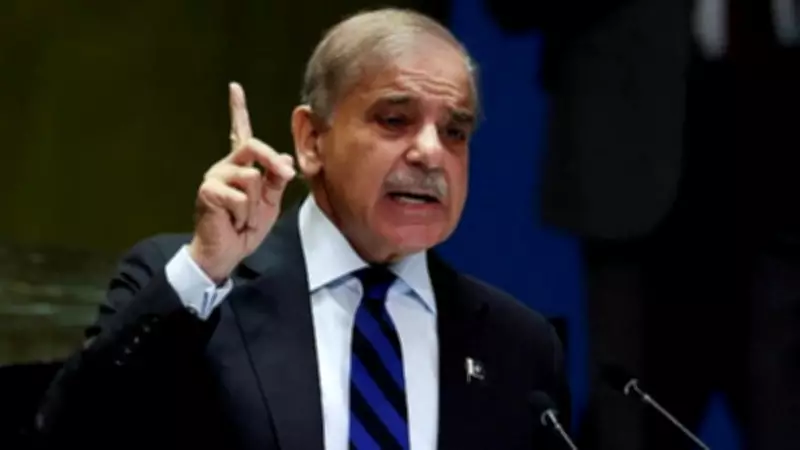
Pakistan Prime Minister Calls for India Match Boycott in T20 World Cup
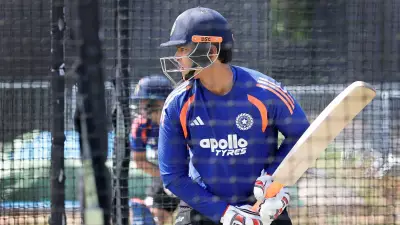
Pakistan Prime Minister Shehbaz Sharif has made a significant statement regarding the upcoming T20 World Cup match against India, advocating for a boycott of the high-profile encounter. In his remarks, Sharif emphasized that sports fields should remain free from political influences, suggesting that participating in the match might not be appropriate given current circumstances.
ICC Issues Stern Warning to Pakistan Cricket Board
The International Cricket Council has responded to these developments with a strong warning to the Pakistan Cricket Board. According to official communications, the ICC has indicated that serious consequences would follow if Pakistan fails to show up for the scheduled match. This warning comes as cricket authorities aim to maintain the integrity of international tournaments and prevent political considerations from disrupting sporting events.
Historical Context of India-Pakistan Cricket Relations
The relationship between Indian and Pakistani cricket teams has always been complex, often reflecting broader geopolitical tensions between the two nations. Key aspects of this dynamic include:

- High-stakes matches that draw massive global viewership
- Periodic disruptions due to political tensions
- Diplomatic efforts to keep sports separate from state conflicts
- Previous instances where matches have been canceled or boycotted
Potential Impact on T20 World Cup Tournament
A potential boycott by Pakistan could have several significant implications for the T20 World Cup:
- Disruption of tournament scheduling and logistics
- Financial losses for broadcasters and sponsors
- Disappointment for millions of cricket fans worldwide
- Setting a precedent for future political interventions in sports
- Possible points forfeiture for Pakistan in the tournament
Global Reaction and Diplomatic Considerations
The international cricket community is closely monitoring this situation, with many stakeholders urging for sports to remain separate from political disputes. Cricket administrators from various countries have expressed concern about the potential politicization of what is traditionally considered a purely sporting event. Diplomatic channels between India and Pakistan may also be activated to address this developing situation before it escalates further.
The timing of Prime Minister Sharif's statement, coming just months before the scheduled T20 World Cup match, adds urgency to the situation. Cricket authorities now face the challenging task of balancing sporting commitments with geopolitical realities, while fans hope for a resolution that preserves one of cricket's most anticipated rivalries.