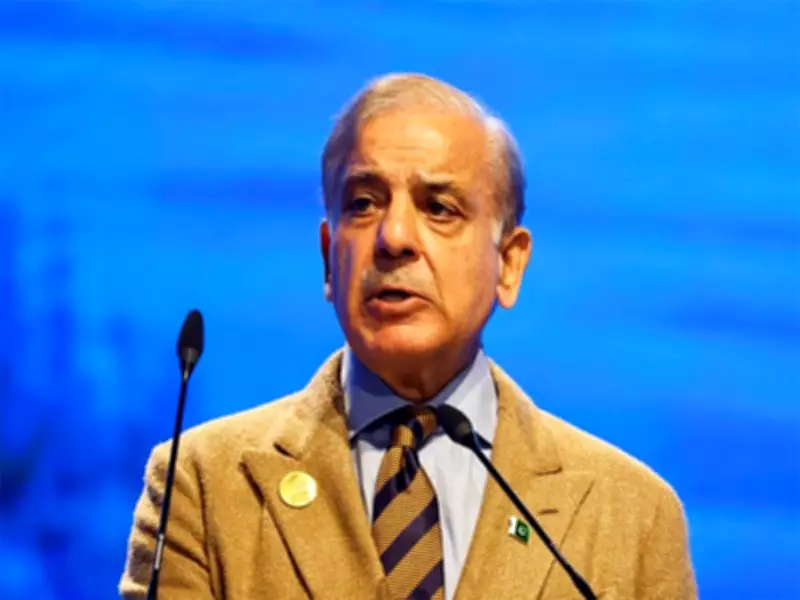
Pakistan PM Shehbaz Sharif Reiterates Boycott of T20 World Cup Match Against India
In a significant development that has sent ripples through the international cricket community, Pakistan Prime Minister Shehbaz Sharif has once again confirmed his nation's decision to boycott the highly anticipated T20 World Cup match against arch-rivals India. This announcement comes amidst escalating political tensions between the two neighboring countries, casting a shadow over one of the most celebrated fixtures in world cricket.
Political Tensions Overshadow Sporting Diplomacy
The decision, which was first hinted at by Pakistani officials earlier this year, has now been formally reiterated by the Prime Minister himself. "We will not play the match against India," Sharif stated unequivocally, emphasizing that the move is a direct response to the ongoing diplomatic strains and security apprehensions. This stance underscores how geopolitical issues continue to influence and, at times, disrupt sporting engagements between the two nations.
Historically, cricket matches between Pakistan and India have been more than just games; they are events charged with national pride and intense rivalry. However, recent years have seen these encounters become increasingly rare due to political disagreements. The T20 World Cup, scheduled to be held later this year, was seen by many as a potential platform for easing tensions through sports diplomacy. Unfortunately, Sharif's latest remarks suggest that such hopes may be premature.

Impact on the T20 World Cup and Global Cricket
The boycott is expected to have several immediate and long-term consequences:
- Tournament Dynamics: The absence of a Pakistan-India match will significantly alter the group stage dynamics, potentially affecting the points table and the overall excitement of the event.
- Financial Implications: Broadcasters and sponsors who had banked on the high viewership of this marquee clash are likely to face substantial revenue losses.
- Fan Disappointment: Millions of cricket enthusiasts across the globe, particularly in South Asia, will be deprived of witnessing one of the sport's most thrilling rivalries.
- Future Bilateral Series: This decision could further delay the resumption of regular bilateral cricket series between the two countries, which have been sporadic since 2012.
International cricket bodies, including the International Cricket Council (ICC), have yet to issue an official response. However, insiders suggest that efforts might be underway behind the scenes to mediate and possibly reverse the decision, though success remains uncertain given the deep-seated political issues.
Security Concerns and Diplomatic Standoff
Sharif's reiteration of the boycott is rooted in a combination of security fears and diplomatic grievances. Pakistan has repeatedly expressed concerns over the safety of its players and officials in India, citing past incidents and the current political climate. Additionally, broader bilateral issues, including territorial disputes and cross-border tensions, have contributed to this hardline stance.
On the other hand, Indian authorities have consistently assured full security for all participating teams, emphasizing that sports should remain separate from politics. Despite these assurances, the trust deficit between the two nations appears to be too wide to bridge at this juncture.
This development is not just a blow to cricket but also highlights the fragile state of India-Pakistan relations. While sports have often served as a bridge in troubled times, the current scenario suggests that the political rift is too profound for even cricket to overcome. As the T20 World Cup approaches, all eyes will be on whether any last-minute diplomatic breakthroughs can salvage this iconic contest or if it will remain a casualty of geopolitical strife.