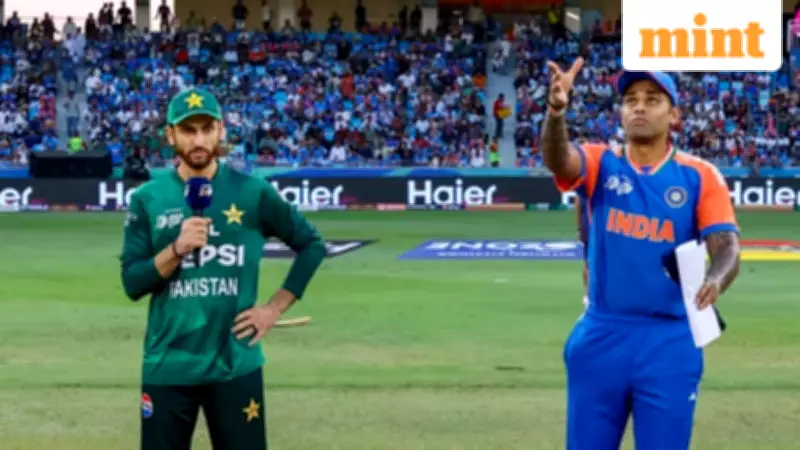
The cricketing world has been rocked by a major diplomatic and sporting controversy as Pakistan has officially refused to play against India in the upcoming men's T20 World Cup. The high-voltage match was scheduled for February 15, 2026, in Colombo, Sri Lanka, but will now not take place due to Pakistan's unilateral decision.
Political Fallout and Widespread Condemnation
This refusal has rapidly snowballed into significant political tensions, with leaders from across India's political spectrum slamming Pakistan's move. The decision has evoked massive criticism, with many politicians suggesting that Pakistan's reluctance stems from a fear of losing to their arch-rivals on the cricket field.
Official Statement from Pakistan Government
In an official statement, the Pakistan government clarified its position, stating that it "grants approval" for the national cricket team's participation in the T20 World Cup. However, it added a crucial caveat: "Pakistan Cricket Team shall not take the field in the match scheduled on 15th February 2026 against India." This selective participation means Pakistan will compete in all other tournament matches but has been effectively barred from facing India.

Voices from Indian Political Leadership
The decision has drawn sharp reactions from Indian politicians. BJP MP Bhola Singh was particularly vocal, stating, "Pakistan's mindset and intentions have always been against our country. Somewhere, Pakistan is afraid of losing." This sentiment was echoed by other leaders who questioned Pakistan's sporting spirit and commitment to international cricket norms.
Another political figure, Jaiswal, added a strategic perspective, remarking, "It is good for us, as being the host we could not ask them not to come. Now the Pakistan Cricket Board will also be begging, along with PM Shehbaz Sharif and Asim Munir." This comment highlights the complex diplomatic undercurrents surrounding the issue.
Broader Context and Regional Implications
This development comes in the wake of Bangladesh's earlier decision to pull out of the competition entirely, citing safety concerns over traveling to India. The consecutive withdrawals by neighboring nations have raised questions about the geopolitical climate affecting international sporting events in the region.
The India-Pakistan cricket rivalry is one of the most intense in sports, with matches often transcending the boundary of the playing field to become matters of national pride. Pakistan's refusal to play not only disappoints millions of cricket fans worldwide but also underscores the deep-seated political tensions that continue to influence bilateral relations.
As the situation unfolds, cricket authorities and diplomatic channels are likely to engage in discussions to address the fallout. The incident serves as a stark reminder of how sports and politics remain inextricably linked in South Asia, with cricket matches between India and Pakistan often serving as barometers of the broader relationship between the two nuclear-armed neighbors.