Pakistan Considers Boycotting T20 World Cup Clash with India
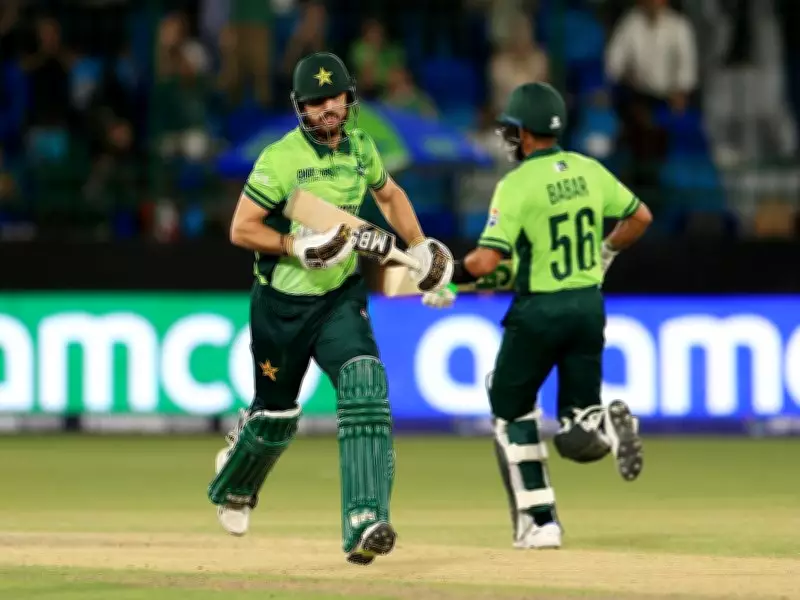
In a dramatic development that has sent shockwaves through the cricketing world, Pakistan has officially declared its intention to potentially boycott the highly anticipated group stage match against arch-rivals India during the upcoming T20 World Cup. This decision, rooted in longstanding political tensions and amplified by recent diplomatic strains, threatens to disrupt one of the most watched sporting events globally and could have far-reaching implications for international cricket relations.
Political Tensions Spill Over into Sports Arena
The announcement comes against a backdrop of persistent geopolitical friction between the two neighboring nations, with cricket often serving as both a bridge and a battleground. Pakistani authorities have cited "unresolved political issues" and "security apprehensions" as primary reasons for considering this unprecedented move. This potential boycott represents a significant escalation in using sports as a tool for political expression, challenging the traditional separation between athletic competition and international diplomacy.
Impact on Tournament Structure and Fan Expectations
The India-Pakistan cricket match is traditionally the most anticipated fixture in any ICC tournament, drawing hundreds of millions of viewers worldwide and generating substantial revenue through broadcasting rights and sponsorship deals. A boycott would:

- Force tournament organizers to reconsider the group stage schedule and points allocation
- Disappoint millions of cricket enthusiasts who consider this rivalry the pinnacle of the sport
- Potentially affect the competitive balance within the group, as other teams would face altered qualification scenarios
- Create logistical challenges for broadcasters who have built extensive programming around this specific match
Historical Context of Cricket Relations
This is not the first instance where political tensions have affected cricketing ties between India and Pakistan. Bilateral series have been suspended multiple times over the decades, with teams only meeting in multi-nation tournaments like World Cups and Asia Cups. However, a direct boycott during an ICC event would establish a concerning precedent, potentially encouraging other nations to use similar tactics for political leverage in future tournaments.
Potential Ramifications for Future Cricket Diplomacy
The decision, if implemented, could have several consequences:
- ICC Response: The International Cricket Council may need to intervene with diplomatic efforts or consider disciplinary measures against the Pakistan Cricket Board
- Financial Implications: Significant revenue losses for both cricket boards and the ICC from reduced viewership and sponsorship
- Future Tournament Hosting: Questions about Pakistan's participation in future ICC events hosted in India or vice versa
- Player Impact: Professional cricketers from both sides would miss a career-defining match that often determines legacy and recognition
As the cricketing community awaits further developments, this situation highlights the fragile intersection of sports and international relations. The final decision will not only affect the T20 World Cup's competitive integrity but could reshape how cricket governing bodies navigate political disputes in an increasingly polarized global landscape.