Pakistan Reverses Course, Agrees to Play India in T20 World Cup After Bangladesh's Diplomatic Intervention
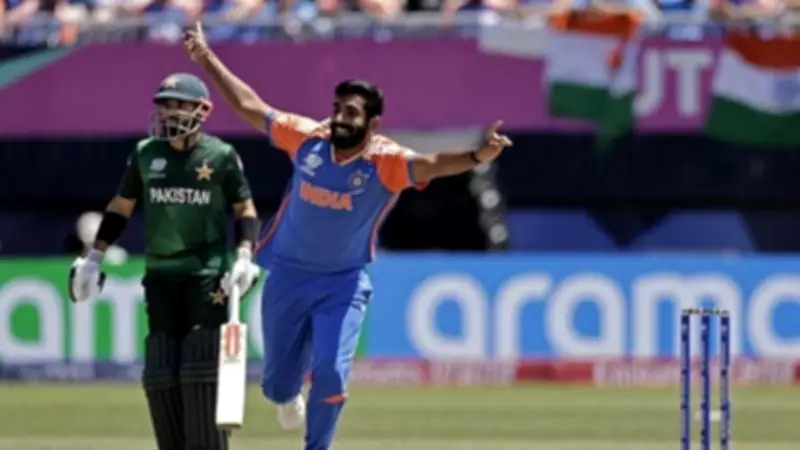
In a stunning late-night development that has sent shockwaves through the cricketing world, the Pakistan Cricket Board (PCB) has executed a complete policy reversal and agreed to participate in its highly anticipated T20 World Cup match against arch-rivals India. This dramatic U-turn comes after the PCB had previously signaled a potential boycott of the marquee fixture, citing longstanding political and diplomatic tensions between the two neighboring nations.
Diplomatic Pressure from Bangladesh Triggers Reversal
The pivotal shift in Pakistan's stance was reportedly catalyzed by diplomatic intervention from Bangladesh. According to sources familiar with the negotiations, Bangladeshi officials engaged in behind-the-scenes discussions with their Pakistani counterparts, emphasizing the importance of the match for global cricket and regional sporting diplomacy. This external nudge appears to have been instrumental in breaking the deadlock.
PCB Chairman Mohsin Naqvi personally approached Prime Minister Shehbaz Sharif late on February 9, 2026, formally requesting permission to withdraw the proposed boycott. The Prime Minister's office, after considering the broader implications for Pakistan's international sporting reputation and the significant commercial and viewership interests at stake, granted the necessary approval for the team to proceed with the match.

High-Stakes Context of the Marquee Clash
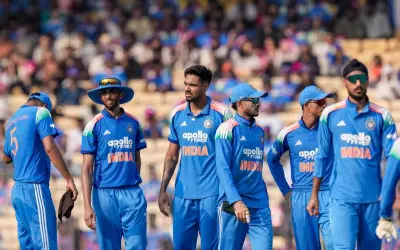
The India-Pakistan cricket rivalry is arguably the most intense and watched sporting contest on the planet, routinely drawing television audiences in the hundreds of millions. Any match between the two nations, especially in a global tournament like the ICC T20 World Cup, carries immense sporting, political, and economic weight. A boycott would have represented an unprecedented escalation of tensions into the sporting arena and dealt a severe blow to the tournament's prestige and commercial viability.
The decision to play ensures that one of the World Cup's central attractions will proceed as scheduled, much to the relief of fans, broadcasters, and the International Cricket Council (ICC). The match is expected to be a focal point of the tournament, with security and logistical preparations now shifting into high gear following the confirmation of Pakistan's participation.
Implications for Cricket and Regional Relations
This episode underscores the complex and often fragile intersection of sports and geopolitics in South Asia. While cricket has historically served as a rare bridge between India and Pakistan during periods of diplomatic strain, it has also frequently become a casualty of broader political disputes.
The successful mediation by Bangladesh highlights the growing role of third-party nations in facilitating dialogue and de-escalation within the region's sporting landscape. It also demonstrates the powerful influence that commercial considerations and global sporting governance exert on national cricket boards, even when faced with significant political pressure.
With the boycott threat now officially withdrawn, attention will fully turn to the cricket pitch. Both teams are expected to face immense pressure, not just to win, but to uphold the spirit of the game in a match that will be scrutinized far beyond the boundary ropes. The resolution of this standoff, at least for this tournament, provides a temporary reprieve and allows the focus to return to the athletic competition that has captivated the subcontinent for generations.