Pakistan's Potential Boycott of T20 World Cup 2026 Clash Against India: A Detailed Analysis
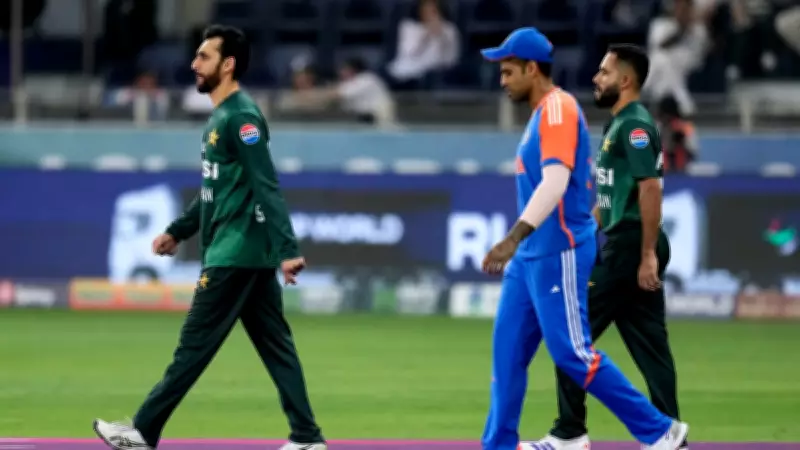
The cricketing world is abuzz with speculation following reports that Pakistan might consider boycotting their highly anticipated T20 World Cup 2026 match against arch-rivals India. This potential move, if realized, could send shockwaves through the international cricket community and have far-reaching consequences beyond the boundary ropes.
Understanding the Context and Motivations
The possibility of a boycott stems from longstanding political tensions between the two neighboring nations, which have periodically spilled over into the sporting arena. Cricket matches between India and Pakistan are not merely sporting events; they carry immense historical, cultural, and political significance for billions of fans across the subcontinent and beyond.
While official statements from the Pakistan Cricket Board (PCB) have been carefully measured, sources suggest that internal discussions have indeed taken place regarding this drastic course of action. The decision would not be taken lightly, as it represents a significant escalation in using sports as a platform for political expression.

Immediate Consequences for Pakistan Cricket
ICC Penalties and Financial Implications: The International Cricket Council (ICC) maintains strict regulations regarding tournament participation. A unilateral boycott by Pakistan would likely trigger severe penalties, including substantial fines that could run into millions of dollars. The PCB might also face suspension from future ICC events or have points deducted in the current tournament, potentially affecting their progression to later stages.
Forfeiture of Match Points: According to tournament rules, if a team fails to appear for a scheduled match without acceptable justification (typically limited to safety concerns or force majeure events), they would automatically forfeit the game. This would grant India a walkover victory, awarding them the full two points while Pakistan would receive zero points, significantly damaging their chances of advancing in the tournament.
Broader Impact on the Tournament and Cricket Ecosystem
Commercial and Broadcast Ramifications: India-Pakistan cricket matches represent the most valuable property in world cricket from a commercial perspective. Broadcasters pay premium rates for these encounters, and sponsors invest heavily expecting massive global viewership. A boycott would create contractual complications, potentially leading to legal disputes and financial losses for multiple stakeholders, including the ICC, broadcast partners, and sponsors.
Fan Disappointment and Security Concerns: Millions of cricket enthusiasts worldwide anticipate these high-voltage clashes. A boycott would disappoint fans across both nations and the global cricket community. Additionally, security arrangements for such matches involve extensive planning and resources; a last-minute cancellation could create logistical challenges and financial burdens for host nations and organizing committees.
Political and Diplomatic Dimensions
Sports Diplomacy Implications: Cricket has occasionally served as a bridge between India and Pakistan during periods of diplomatic strain. A boycott would represent a significant setback for sports diplomacy efforts and could further chill bilateral relations. It might also influence how other nations perceive Pakistan's commitment to international sporting norms and agreements.
Precedent Setting: Should Pakistan proceed with the boycott, it would establish a concerning precedent where political considerations override sporting commitments in ICC events. This could potentially encourage other nations to consider similar actions in future tournaments for various political reasons, undermining the integrity of international cricket competitions.

Alternative Scenarios and Possible Resolutions
ICC Mediation Efforts: The ICC would likely engage in intense diplomatic efforts to prevent such a scenario, potentially involving neutral venues, enhanced security assurances, or other confidence-building measures. The global cricket governing body has previously navigated political tensions between member nations and might employ similar strategies to ensure the match proceeds as scheduled.
Conditional Participation: Pakistan might consider participating under specific conditions, such as playing at a neutral venue or with particular security arrangements. Such negotiations would require delicate diplomacy between cricket boards, host nations, and possibly even government-level interventions.
Postponement Rather Than Cancellation: Another possibility could involve rescheduling the match to a later stage in the tournament if both teams advance, though this would create scheduling complexities and might not fully address the underlying concerns prompting the boycott threat.
Long-Term Consequences for Pakistan Cricket
Financial Sustainability: Beyond immediate ICC penalties, Pakistan cricket could suffer long-term financial consequences. International broadcasters and sponsors might become hesitant to invest in Pakistan cricket properties, fearing similar disruptions in future engagements. This could affect the PCB's revenue streams and its ability to develop cricket at grassroots levels.
Player Development and Exposure: Pakistani cricketers would miss the opportunity to compete on one of cricket's biggest stages against their traditional rivals. Such high-pressure matches provide invaluable experience for players and help identify talent capable of performing in crucial encounters. A boycott would deprive an entire generation of Pakistani cricketers of this developmental opportunity.
Global Cricket Relations: Other cricket-playing nations might reconsider their bilateral arrangements with Pakistan if they perceive the PCB as unreliable in honoring international commitments. This could affect future tours, participation in leagues, and collaborative development programs.
As the cricketing world watches closely, the decision Pakistan ultimately makes regarding their T20 World Cup 2026 clash against India will have implications far beyond the immediate tournament. It represents a complex intersection of sports, politics, commerce, and diplomacy that will test the resilience of cricket's governing structures and the spirit of sportsmanship that ideally transcends geopolitical boundaries.