Pakistan's T20 World Cup 2026 Participation Hangs in Balance Amid Boycott Threat
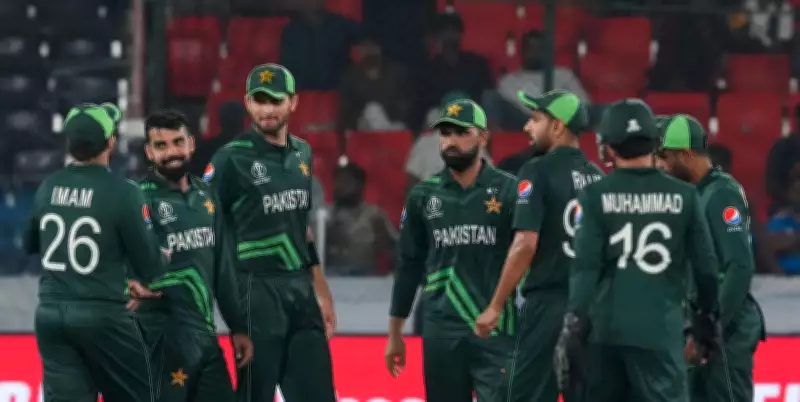
The participation of Pakistan in the upcoming ICC T20 World Cup 2026 has been cast into serious uncertainty following the controversial removal of Bangladesh from the tournament. The Pakistan Cricket Board has issued a stern warning that it might withdraw from the prestigious event in protest against this decision, creating significant ripples across the international cricket community.
PCB's Strong Stance and Government Decision
PCB chairman Mohsin Naqvi has made it clear that the final decision regarding Pakistan's participation will ultimately rest with the government. He indicated that clarity on this critical matter is expected either by Friday or early next week, leaving the cricketing world in suspense. The board has positioned its boycott threat as a principled stand against what it perceives as unfair treatment of Bangladesh, though this move could carry substantial consequences.
Skepticism from International Cricket Circles
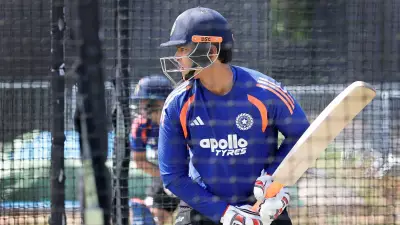
The PCB's boycott threat has been met with considerable skepticism from outside Pakistan, most notably from former India captain Ajinkya Rahane. Reacting to the possibility of a Pakistani boycott during a Cricbuzz show, Rahane dismissed the idea with characteristic bluntness. "I don't think they can do that, I don't think they have, am I allowed to say guts? Yeah, I don't think they can do that," Rahane stated before adding definitively: "They are going to come."

Background of the Bangladesh Exclusion Controversy
The controversy stems from Bangladesh's exclusion from the tournament after the Bangladesh Cricket Board refused to play its matches in India and pushed for the venue to be shifted to Sri Lanka. When the International Cricket Council rejected this request, Bangladesh maintained its stance and was subsequently replaced by Scotland. This decision has now triggered Pakistan's protest threat, creating an unprecedented diplomatic situation in international cricket.
Potential Consequences of a Pakistani Boycott
According to a detailed report by Cricbuzz, the ICC has already warned the PCB that failing to honor its participation agreement could trigger serious disciplinary measures. These potential consequences reportedly include:
- Substantial sanctions against the Pakistan Cricket Board
- Suspension from international and regional cricket competitions
- Withdrawal of No-Objection Certificates for overseas players participating in the Pakistan Super League
The report further noted that the PCB has no legitimate contractual basis to boycott either the T20 World Cup or the marquee India vs Pakistan clash scheduled to be played in Sri Lanka on February 15, 2026. This high-stakes match represents one of cricket's most anticipated rivalries and its potential cancellation would represent a significant blow to the tournament's commercial and sporting appeal.
Broader Implications for International Cricket
This developing situation highlights the complex interplay between cricket administration, international relations, and sporting diplomacy. The potential boycott threat comes at a time when international cricket is seeking to expand its global footprint, making such controversies particularly damaging to the sport's image and commercial interests. The ICC now faces the delicate task of maintaining tournament integrity while addressing legitimate concerns from member boards.
The coming days will be crucial as the Pakistani government considers its position and the ICC evaluates its response options. The outcome could set important precedents for how cricket's governing body handles similar disputes in the future and might reshape power dynamics within international cricket administration.