Pakistan's T20 World Cup Decision Reveals Complex Civil-Military Dynamics
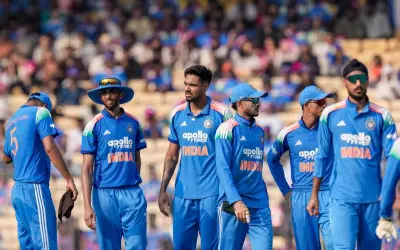
Pakistan's eventual agreement to participate in its high-stakes T20 World Cup fixture against India on February 15 culminated weeks of intense brinkmanship and behind-the-scenes diplomatic maneuvering. The resolution arrived only after a remarkable intervention from Pakistan Cricket Board chairman Mohsin Naqvi, who dramatically pulled military symbolism into what should have remained a purely sporting dispute.
Military Symbolism Enters Cricket Administration
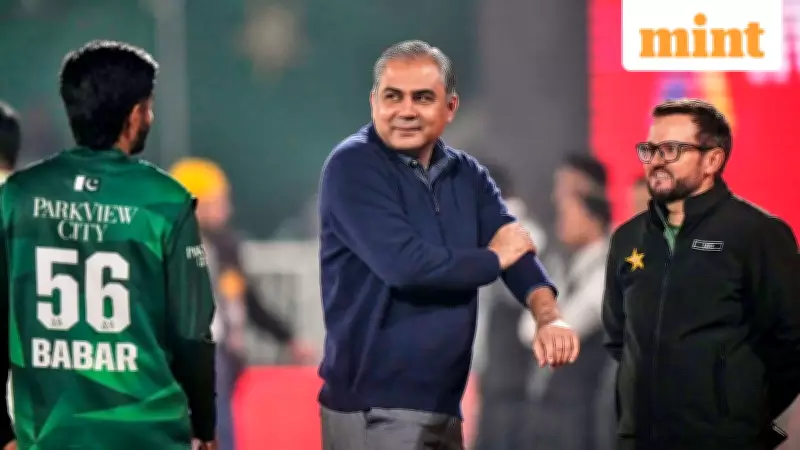
Just hours before the match confirmation, PCB chairman Mohsin Naqvi—who simultaneously serves as Pakistan's interior minister—invoked Field Marshal Syed Asim Munir while declaring Pakistan would not yield to perceived pressure from India and the International Cricket Council. This episode unfolded against a backdrop of heightened regional sensitivities and Pakistan's domestic political fragility, offering a revealing portrait of how cricket in South Asia frequently becomes a proxy for state posture.
"Neither am I intimidated by the threats from India and the ICC, nor is the Government of Pakistan, and as for Field Marshal Syed Asim Munir, you already know about him, he never gets afraid," Naqvi stated during a press conference amid the deadlock.

Analysts immediately recognized the reference to Munir as a significant escalation, shifting the discourse from cricket administration to state messaging. This signaled that Pakistan's military establishment was being positioned as a guarantor of defiance against international scrutiny.
The Weight of Asim Munir's Name in Pakistani Politics
Field Marshal Asim Munir represents one of the most prominent figures in Pakistan's recent civil-military landscape. Following intense border hostilities with India after Operation Sindoor in May 2025—India's strikes against terror infrastructure in Pakistan and Pakistan-occupied Kashmir—Islamabad's cabinet promoted General Munir to Field Marshal, Pakistan's highest military rank and only the second such appointment in history after Ayub Khan.
This elevation followed Pakistan's own assessment of the conflict, which Islamabad characterized as a test of its defense resolve. Munir's leadership during the 2025 India-Pakistan engagements was publicly highlighted by Pakistani officials and domestically utilized as a symbol of national strength.
Operation Sindoor commenced on May 7, 2025, when India targeted terror camps linked to groups including Jaish-e-Mohammed and Lashkar-e-Taiba following a deadly terror attack in the Pahalgam region of Jammu and Kashmir. The operation triggered four days of intense military exchanges before both sides agreed to pause hostilities.
Within this context, Naqvi's invocation of Munir's "fearlessness" was interpreted as more than rhetorical flourish. It deliberately placed the cricket match within the political mythology of national security and resistance—an approach that typically resonates domestically while complicating Pakistan's external messaging.
PCB Reverses Course After Government Consultations
Despite earlier hard-line signals and boycott threats, the PCB ultimately agreed to play India as scheduled in Colombo on February 15. This decision followed extensive consultations led by Prime Minister Shehbaz Sharif involving multiple stakeholders, including cricket boards from Sri Lanka, the UAE, and Bangladesh.
An official government statement framed the reversal as a necessary step to protect the spirit and continuity of international cricket, noting the decision was taken after multilateral discussions and requests from "friendly countries." The ICC confirmed that mediation meetings in Lahore with PCB and BCB officials were "open, constructive and congenial," adding no penalties would be imposed on Bangladesh regarding the wider participation dispute.
Cricket Match Transforms into Civil-Military Signal
What should have been a routine decision regarding a T20 World Cup fixture instead exposed Pakistan's deep political insecurity and civil-military imbalance. Amid the controversy, PCB chief Mohsin Naqvi chose not to speak as a cricket administrator but as a political actor invoking the country's military establishment.

While publicly framed as bravado, sources indicated the statement was anything but casual. According to government sources, invoking the army chief's "fearlessness" represents a coded political message in Pakistan. By naming Munir, Naqvi signaled that the military establishment was monitoring the situation and that this issue transcended sport.
"This is like telling the world that this is not just about cricket, but our generals are watching," an official explained, adding that Naqvi deliberately escalated the issue from cricket scheduling to a civil-military matter, rejecting international pressure and framing India as a threat requiring military backing.
Governance Challenges: Defiance Masking Institutional Paralysis
The dispute highlighted the limited autonomy of the PCB. Naqvi's comments about consulting the prime minister for a final decision underscored how Pakistan's cricket board remains tethered to the political system—and, by extension, to the civil-military balance of power.
Rather than presenting a coherent sporting rationale, the PCB's posture appeared shaped by fear of domestic backlash and nationalist sentiment. By pushing the decision upward to the government, the board reduced its institutional exposure, allowing Islamabad to absorb responsibility for a politically fraught call.
The Conflict of Interest: Interior Minister as PCB Chairman
Naqvi's dual role as interior minister and PCB chairman further blurred the boundary between sport and state. In most cricketing nations, administrators are expected to insulate the game from political pressure. In Pakistan, that firewall has rarely existed—and the February 15 episode made this overlap explicit.
Instead of lowering tensions, Mohsin Naqvi's remarks hardened international perceptions by presenting a cricket match as a dispute requiring military symbolism. While this approach may energize domestic audiences, it risks reinforcing the international view that Pakistan struggles to make even symbolic decisions without invoking the authority of its generals.