PCB Concludes ICC Negotiations on India Boycott; Final Decision Imminent
The Pakistan Cricket Board (PCB) has officially ended its discussions with the International Cricket Council (ICC) concerning the proposed boycott of the match against India. According to the latest reports, a definitive stance from Pakistan is expected to be announced within the next 24 hours.
High-Level Consultations and Government Guidance
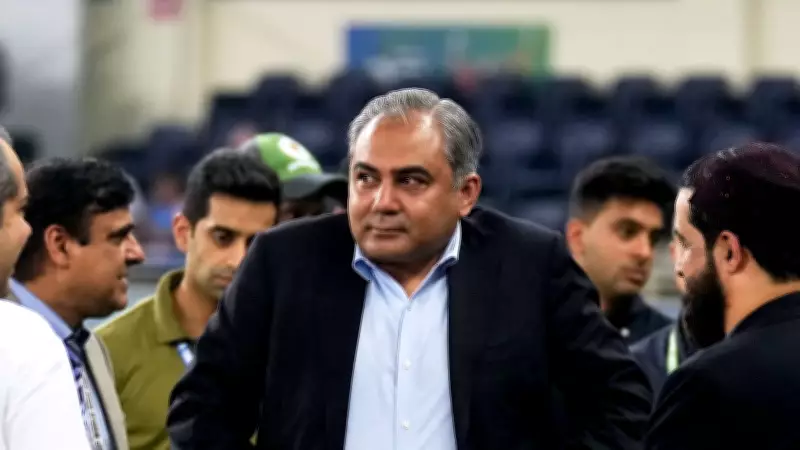
PCB Chairman Mohsin Naqvi is scheduled to meet with Pakistan Prime Minister Shehbaz Sharif in the coming two days to seek final guidance on this critical issue. This consultation follows an extensive five-hour meeting involving officials from the PCB, ICC, and the Bangladesh Cricket Board (BCB) at Lahore's Gaddafi Stadium.
The meeting reportedly saw ICC Deputy Chairman Imran Khwaja and BCB President Aminul Islam engage in detailed negotiations with Naqvi. The PCB has acted as the primary coordinator in these talks, which aimed to address the grievances that led to the boycott threat.

Background of the Boycott and Solidarity with Bangladesh
The boycott initiative originated from Pakistan's government, which had previously declared that the national cricket team would not participate in the match against India. This decision was made as a gesture of solidarity with Bangladesh, which was excluded from the T20 World Cup 2026 after refusing to play its matches against India due to perceived security concerns.
Prime Minister Sharif had emphasized this stance during a cabinet meeting last week, stating, "We have taken a very clear stand on the T20 World Cup that we won't play the match against India because there should be no politics on the sports field." He further added, "We have taken a very considered stance, and we should completely stand by Bangladesh, and I think this is a very appropriate decision."
ICC's Response and Proposed Solutions
During the negotiations, the ICC reportedly responded positively to Bangladesh's demands and even formulated a specific plan to resolve the issues raised by the BCB. Both the ICC and BCB exchanged proposals, with the PCB facilitating the dialogue to explore potential compromises.
The ICC had previously dismissed the security threats cited by Bangladesh, and when Bangladesh declined to travel to India for the matches, they were replaced by Scotland in the tournament lineup.
Anticipated Developments and Next Steps
With the talks now concluded, all eyes are on the PCB's impending decision. The outcome of Chairman Naqvi's meeting with Prime Minister Sharif will be crucial in determining whether Pakistan proceeds with the boycott or agrees to participate in the match against India.
The next 24 hours are expected to bring clarity to this high-stakes situation, which has significant implications for international cricket relations and upcoming tournaments. Stakeholders across the cricketing world await the final verdict, which will shape the future of bilateral and multilateral engagements in the sport.