PCB Considers Force Majeure Defense for India Match Boycott; BCCI Dismisses as Weak Argument
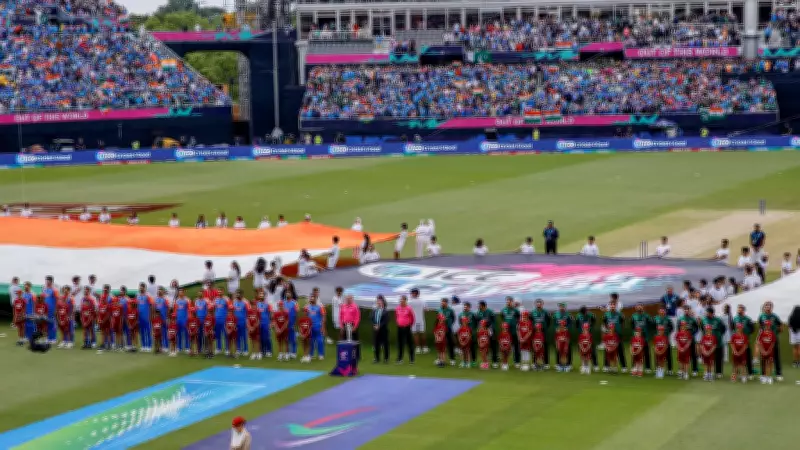
In a dramatic escalation of tensions in international cricket, the Pakistan Cricket Board (PCB) is reportedly preparing to invoke the Force Majeure clause in its defense against potential sanctions from the International Cricket Council (ICC). This move comes after Pakistan's last-minute withdrawal from the T20 World Cup match against India scheduled for February 15 in Colombo. The Indian Express has learned that the PCB plans to justify its stance by citing its government's directive to boycott the high-profile encounter.
Force Majeure: PCB's Last Resort Against ICC Sanctions
The Force Majeure clause refers to unforeseeable circumstances that prevent the fulfillment of a contract. Sources indicate that in its expected communication to the ICC, the PCB will attach the Pakistani government's social media post from February 1, which instructed the board to boycott the India game. Officials close to the developments suggest that by insisting on Force Majeure, Pakistan would claim the situation was extraordinary and beyond their control.
"This is their last resort since they don't have any other reason to not play India," an official familiar with the matter stated. The PCB's decision has put the ICC in a difficult position, with the world body already issuing a statement reminding Pakistan of potential consequences following the government's unprecedented intervention.

Potential Consequences and Historical Precedents
While the ICC hasn't specified exact sanctions, there's growing speculation that the PCB might face a substantial fine, given that their withdrawal would result in significant financial losses for broadcasters. More severe measures could include a temporary ban on bilateral series, potentially leading to Pakistan's international isolation in cricket.
Historical precedents, however, present a mixed picture. During the 1996 World Cup, when Australia and West Indies refused to travel to Sri Lanka, they faced no sanctions or revenue cuts. Similarly, England avoided penalties in 2003 when they didn't travel to Zimbabwe based on government instructions, and New Zealand faced no consequences for skipping matches in Nairobi citing security concerns. The England and Wales Cricket Board also escaped sanctions in 2009 when England refused visas to Zimbabwe players for the World T20.
BCCI's Strong Rejection of PCB's Position
The Board of Control for Cricket in India (BCCI) has strongly rejected the PCB's potential Force Majeure argument, terming it a "weak argument." BCCI officials point to several inconsistencies in Pakistan's position.
"When Pakistan had no problem playing India in the Under-19 World Cup on the same day their government put out the post to boycott the T20 World Cup game, this wouldn't cut ice," a BCCI official emphasized. "Besides, when it comes to the Pakistan Cricket Board and the Pakistan government, there is not much difference. The Pakistan prime minister is the patron-in-chief of PCB and the board's chief is a minister."
The Indian board has accused both Pakistan and Bangladesh of mixing politics with cricket, noting that despite repeated Indian government assurances about security, the Bangladesh team refused to travel to India for their matches.
The Colombo Conundrum and Broader Context
The current situation presents unique challenges for ICC interpretation. This marks the first instance where a team is refusing to take the field for unspecified reasons at a neutral venue. Had the match been scheduled in India, the PCB might have had a stronger case, but Colombo's status as a neutral ground creates ambiguity.
Moreover, since Pakistan has committed to playing their other matches in Sri Lanka, the ICC can question why an exception is being made specifically for the India fixture. "There has been an understanding that India and Pakistan will play at a neutral venue in ICC events. Boycotting the game is just mischief," the BCCI official added.

Origins of the Current Crisis
The latest crisis traces back to the BCCI's request last month for Kolkata Knight Riders to eject Bangladesh seamer Mustafizur Rahman from their IPL squad, citing "recent developments" believed to reference domestic turmoil in Bangladesh. In a retaliatory move, Bangladesh asked the ICC to shift their T20 World Cup matches from India to Sri Lanka, citing security concerns.
When Bangladesh maintained their stance despite ICC's refusal, they were replaced in the tournament by Scotland. Pakistan expressed solidarity with Bangladesh and accused the ICC of double standards, a position that ultimately led to the Pakistani government's intervention and the boycott directive against India.
As the T20 World Cup approaches, the cricketing world watches closely how the ICC will navigate this unprecedented situation that blends international cricket with geopolitical tensions, testing the boundaries between sport and politics.