Former Pakistan Spinner Saqlain Mushtaq Condemns Political Meddling in Cricket
Former Pakistan cricket legend Saqlain Mushtaq has launched a powerful critique against the increasing intrusion of politics into the world of cricket, cautioning that this trend is causing significant harm not only to the sport but to humanity as a whole. In an exclusive interview with ANI, Mushtaq emphasized that cricket's fundamental role should be to bring people together, rather than exacerbating divisions between nations.
The Strained India-Pakistan Cricket Relationship
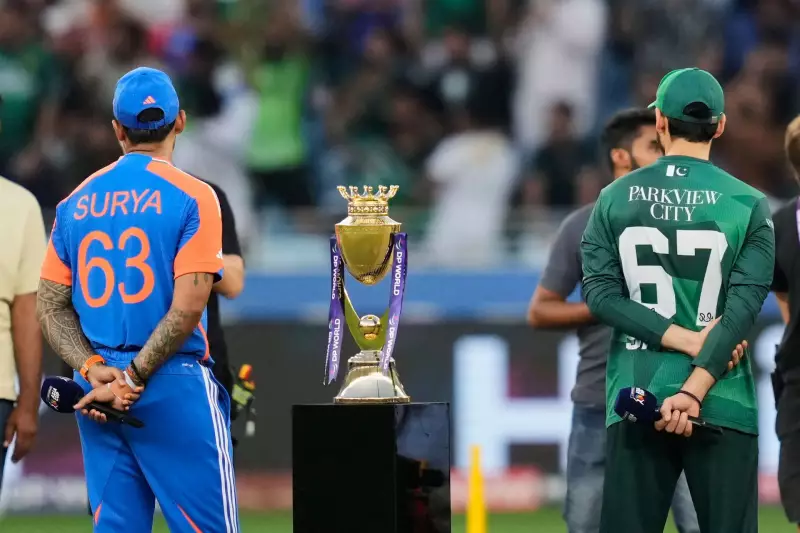
Mushtaq's comments come against the backdrop of the prolonged hiatus in bilateral cricket series between India and Pakistan. The two neighboring nations last engaged in a bilateral contest during the 2012–13 season, when Pakistan toured India for a limited-overs assignment. Since that time, these historic rivals have only confronted each other in international tournaments organized by the ICC and continental bodies, including the Asia Cup, various World Cup editions, and the Champions Trophy.
Politics as the Primary Obstacle to Cricket's Spirit
Expressing his profound disappointment with this extended rift, Mushtaq identified politics as the most significant barrier to preserving cricket's true essence. "I firmly believe that politics should be completely eradicated from sports as it proves detrimental to humanity itself," Mushtaq stated emphatically. "Politics has become our common enemy. It is not merely harming the game of cricket, but is inflicting damage upon humanity in its entirety."

He further elaborated that this situation represents a substantial loss for both the sport and its dedicated players. "Cricket was designed to unite nations and foster camaraderie, not to drive them apart or create unnecessary conflicts," Mushtaq added, highlighting the sport's potential as a bridge between cultures.
Cricket Should Remain Entertainment, Not Conflict
Mushtaq reiterated his conviction that cricket must maintain its primary identity as a source of entertainment and should be deliberately shielded from political agendas. "Cricket is fundamentally about entertainment, joy, and sportsmanship—it should never be transformed into a battlefield or an extension of warfare," he stressed, underscoring the importance of keeping athletic competition separate from geopolitical tensions.
Addressing Bangladesh's T20 World Cup Withdrawal
When questioned about Bangladesh's recent decision to decline participation in the upcoming T20 World Cup matches scheduled in India, Mushtaq maintained a neutral position, consistent with his principled stance against blending sports with politics. "I prefer not to comment specifically on Bangladesh's decision because I have already clearly articulated my position on this matter," he explained. "I do not subscribe to the idea of mixing political considerations with sporting events."
Bangladesh was recently replaced by Scotland in the ICC Men's T20 World Cup lineup after repeatedly refusing to play their scheduled matches in India. The Bangladesh Cricket Board cited security concerns amid strained political relations as their primary reason for withdrawal. The International Cricket Council described this replacement as a difficult decision made necessary after Bangladesh failed to confirm their participation within the established deadline.
The Broader Implications for International Cricket
Mushtaq's remarks highlight a growing concern within the cricketing community about how political tensions are increasingly influencing international sports engagements. His warning extends beyond specific bilateral disputes to address the fundamental relationship between sports and politics in contemporary society. By framing the issue as one affecting "humanity as a whole," Mushtaq elevates the discussion from mere sports administration to broader questions of how athletic competition can either heal or exacerbate global divisions.

The former spinner's perspective carries particular weight given his extensive experience in international cricket and his understanding of how the sport functions as a cultural bridge. His comments serve as a reminder that cricket's administrators, players, and fans must remain vigilant against allowing political considerations to undermine the sport's capacity to unite people across national boundaries.