T20 World Cup Redefines Cricket's Hierarchy as Associate Nations Rise
The traditional concept of minnow teams in T20 cricket has been fundamentally challenged throughout the ongoing T20 World Cup tournament. The compressed nature of the shortest format creates an environment where power, preparation, and pressure converge in ways that diminish the importance of historical pedigree while amplifying the significance of conviction and execution.
Netherlands' Frustration and Determination
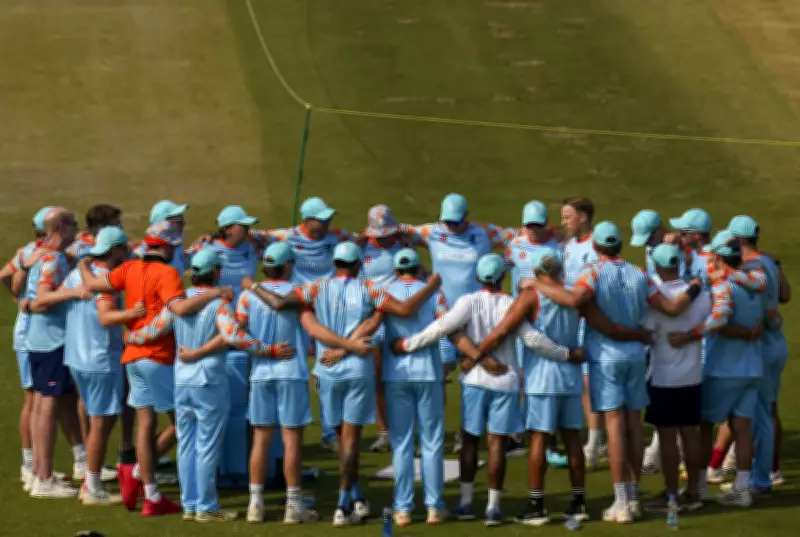
As Namibia prepares for their tournament opener against the Netherlands at Delhi's Arun Jaitley Stadium, both squads approach the match with the understanding that they are no longer mere gatecrashers in international cricket. Instead, they have become legitimate participants in a competition increasingly defined by teams courageous enough to consistently punch above their perceived weight class.
Both teams find themselves positioned alongside cricketing giants India, Pakistan, and the United States in Group A, a pool that has already demonstrated it will be anything but predictable throughout the tournament. The Dutch enter this contest nursing considerable frustration from their previous outing against Pakistan, where they dominated extended phases of play, expertly read match conditions, and pushed the tournament favorites into difficult positions, only to unravel during the decisive final stretch.

Fast bowler Paul van Meekeren captured the team's collective sentiment with characteristically blunt honesty, stating, "I want to be very clear: Pakistan didn't win the game. We lost the game against ourselves." This powerful statement emphasized not defeat but rather a significant missed opportunity that has left the Netherlands carrying the psychological burden of knowing they cannot afford another similar collapse from a winning position.
Dutch Resilience and Experience
Historical evidence suggests this particular Dutch squad thrives when written off by critics and opponents alike. They have previously recorded memorable victories against established Test nations including England and South Africa in prior T20 World Cup tournaments, and their current core group possesses extensive experience from franchise cricket leagues and county-level competitions worldwide.
Batting lynchpin Colin Ackermann elaborated on the team's philosophical approach, emphasizing their embrace of chaotic situations rather than fear of them. "Part of the DNA of this Netherlands team is that we take ownership of our performances and our roles," explained the 34-year-old veteran. "We learn from past experiences. When we got off the bus in Delhi, coach Ryan Cook emphasized that the past is the past—there's nothing we can do about it, and we must look forward to the next game."
Ackermann further reinforced the team's collective confidence, adding, "We have great self-belief as a team. We've demonstrated in previous tournaments that we can compete effectively with established Test-playing nations on the global stage."
Namibia's Quiet Confidence and Ambition
Meanwhile, Namibia arrives at this crucial encounter with what can best be described as quiet confidence. Although they have yet to play their first match in this particular tournament edition, the team carries with them winning memories from previous T20 World Cup campaigns, including their memorable 2022 victory over Sri Lanka and other triumphs against higher-ranked opponents.
Captain Gerhard Erasmus has meticulously constructed a squad that actively resists being confined to limiting labels such as "minnows" or "Associate team." Erasmus articulated this philosophy clearly, stating, "We respect every opponent we face, but we don't perceive ourselves as mere passengers in this tournament. When the competition begins, rankings don't walk onto the field—players do. You should never limit your potential or ambition with restrictive labels."
This mindset reflects a broader transformation occurring within international cricket, where the traditional hierarchy is being challenged by nations that have invested significantly in their domestic structures, player development programs, and competitive experience across various global tournaments.

The Broader Tournament Context
The Netherlands currently occupies a position where they must secure victories to maintain realistic hopes of advancing beyond the group stage, while Namibia seeks to make an immediate statement in their tournament debut. Both teams recognize that matches between associate nations often prove decisive in determining which teams progress to the knockout rounds of major tournaments.
This particular encounter represents more than just another group stage match—it symbolizes the evolving landscape of international cricket, where the gap between established cricketing nations and emerging teams continues to narrow with each passing tournament. The result will provide significant momentum to the victorious side while potentially derailing the campaign of the defeated team in what promises to be a tightly contested group.
As the T20 World Cup progresses, matches like Namibia versus Netherlands increasingly demonstrate that cricket's future will be shaped not only by traditional powerhouses but equally by nations that have systematically developed their cricketing infrastructure, talent pipelines, and competitive mentality to challenge the established order.