India's T20 World Cup Triumph Marred by Religious Controversy
The euphoria surrounding India's historic T20 World Cup 2026 victory has been partially overshadowed by a brewing controversy regarding where the championship trophy was taken for celebration. While the nation celebrated becoming the first team to win three T20 World Cups and achieve back-to-back titles on home soil, former cricketer Kirti Azad ignited debate by questioning why the trophy was taken exclusively to a Hindu temple in Ahmedabad.
Ishan Kishan's Frustrated Response to Controversial Questions
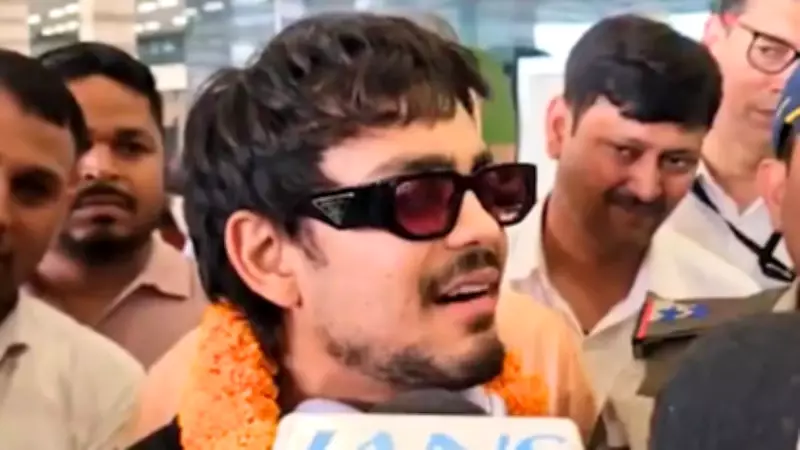
Wicketkeeper-batter Ishan Kishan, who played a crucial role in India's championship run, expressed visible annoyance when reporters asked him about Azad's comments during a post-victory interaction. The left-handed batter, who scored 317 runs at a strike rate above 190 with three half-centuries in the tournament, dismissed the line of questioning entirely.
"Winning the World Cup is such a great thing. You people should ask good questions," Kishan told journalists. "What can I say about what Kirti Azad said? Please ask some good questions so that it's enjoyable."

Kishan's frustration came after what he described as a "rollercoaster" personal journey back to the national team through domestic cricket following earlier exclusion. His remarkable performance in the tournament, including quick fifties in the final, contributed significantly to India's dominant victory over New Zealand.
Kirti Azad's Criticism of Trophy Destination
Former cricketer Kirti Azad, who was part of India's 1983 World Cup winning team, took to social media to voice his concerns about the trophy being taken to a single religious site. His comments questioned why the trophy wasn't taken to multiple places of worship representing India's diverse religious fabric.
"Why NOT a Mosque? Why NOT a Church? Why NOT a Gurudwara?" Azad wrote pointedly. "The Trophy Belongs to 1.4 BILLION Indians of EVERY Faith — NOT ONE RELIGION'S VICTORY LAP!"
Azad emphasized that India's 1983 World Cup team represented multiple religions, stating: "When we won the World Cup under Kapil Dev in 1983, we had Hindu Muslim Sikh and Christian in the team." He further stressed that the current team represents the entire country, not specific individuals or families, and noted that players like Mohammed Siraj or Sanju Samson never took the trophy to their own places of worship.
Historic Victory on Home Soil
Despite the controversy, India's T20 World Cup achievement remains monumental. In Sunday's final against New Zealand, India posted a record 255/5 after losing the toss, thanks to explosive fifties from Abhishek Sharma, Sanju Samson, and Ishan Kishan. New Zealand never recovered in the chase, being bowled out for 159.
The victory established several historic firsts:
- India became the first team to win three T20 World Cups
- The first team to claim back-to-back T20 World Cup titles
- The first to win the tournament on home soil
Sanju Samson, who also contributed significantly to the victory, opened up about the team's T20 World Cup journey and the emotional title win, though his comments were largely overshadowed by the developing controversy surrounding the trophy's destination.
The incident highlights how sporting achievements in India's diverse society can sometimes become entangled with religious and cultural discussions, even amidst historic victories that should unite the nation in celebration.