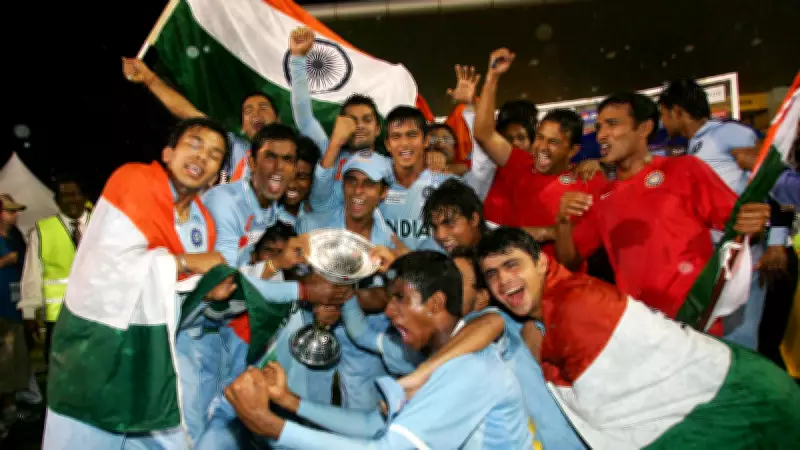
Tanmay Srivastava Reflects on the 2008 U19 World Cup Victory and Virat Kohli's Rise
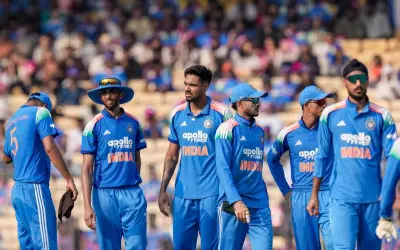
As India celebrates another ICC Under-19 World Cup triumph, former cricketer Tanmay Srivastava, a member of the victorious 2008 squad, shares heartfelt memories of that historic campaign. In an exclusive reflection, Srivastava emphasizes the collective spirit that propelled the team to success and offers a glimpse into the early days of a young Virat Kohli.
The 'We' Culture That Forged Champions
Srivastava vividly recalls the two-year preparation leading up to the 2008 Under-19 World Cup in Malaysia. The team's philosophy was rooted in unity, with every player prioritizing the group over individual accolades. "We used to see everything as 'We'... There was no 'I or me' culture," he states, highlighting how this mindset fostered a winning environment.
Leadership evolved during this period, with Piyush Chawla initially captaining the side, followed by Srivastava himself for a few series. Ultimately, it was Virat Kohli who led the team to glory, showcasing his innate leadership qualities even at a young age.

Virat Kohli: A Dominant Force from the Start
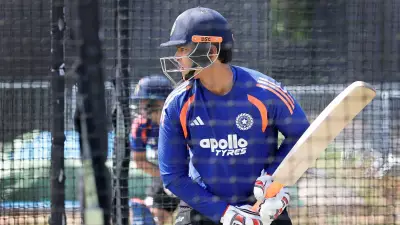
Srivastava's first encounter with Kohli was during a National Cricket Academy zonal game, where the latter represented North Zone. Kohli's powerful batting and dominating nature immediately set him apart. "He had amazing power then too," Srivastava notes, adding that Kohli's willpower and drive to challenge the best bowlers made him exceptional.
He reminisces about Kohli's unique attitude: "I remember him saying in one game that there was no enjoyment in hitting mediocre bowlers; he wanted to hit the top ones." This competitive edge, combined with his skill, foreshadowed Kohli's future as one of cricket's greats.
Team Bonding in a Pre-Smartphone Era
The 2008 batch operated in an era devoid of social media and smartphones, which Srivastava believes strengthened their bond. Players spent time in each other's rooms, sharing experiences and supporting one another. Financial constraints led to creative solutions, such as dining in groups to save money during tours.
On an England tour, coach Lalchand Rajput's friends would bring food, and the team eagerly awaited these moments. "We used to walk for kilometres so that money could be saved," Srivastava recalls, illustrating the sacrifices made off the field.
Memorable Moments and Lasting Connections
One of the most cherished rituals was calling home after matches. Players would purchase $10 calling cards from general stores, scratch them to reveal a number, and dial using country codes. After winning the World Cup, the entire team queued at a nearby booth to share the news with their families.
Srivastava proudly notes that at least 8-9 players from the 2008 squad went on to represent the Indian senior team, a testament to their talent and preparation. Today, they remain connected through a WhatsApp group, with some having transitioned into roles as administrators, umpires, and commentators.
"The 2008 one was the best team," Srivastava concludes, emphasizing that the camaraderie and shared success continue to resonate, making that batch a standout in Indian cricket history.