Transition Used as Shield for Team India's Underperformance
Gautam Gambhir's management has often cited 'transition' as a reason for giving players a longer rope, especially those with match-winning abilities. However, under his regime, there has been more chopping and changing across formats than in any recent era, raising questions about the true nature of this transitional phase.
Frequent Squad Changes Contradict Stability Claims
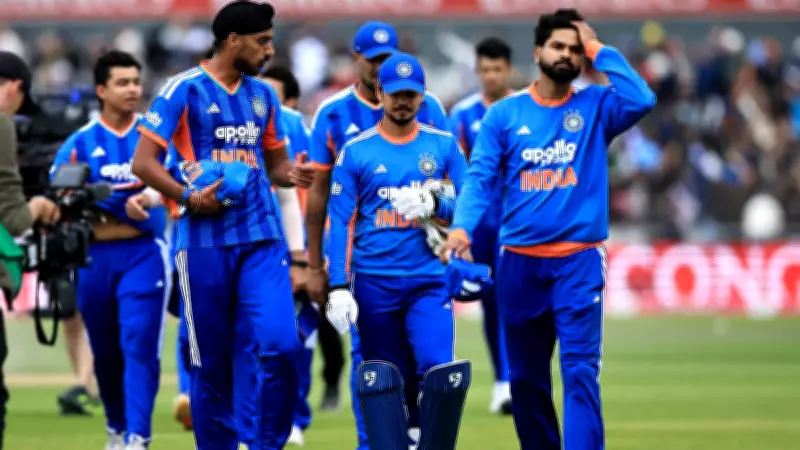
Despite the rhetoric of stability, the squad has seen constant rotation. For instance, Shreyas Iyer, a proven performer, has been in and out of the playing XI, disrupting rhythm and confidence. According to sources close to the team, the constant changes have left players uncertain about their roles.
Impact on Team Performance
India's results have suffered, with inconsistent performances in both bilateral series and tournaments. The lack of a settled core has led to tactical confusion on the field. Gambhir's approach, while intended to build depth, has instead created a revolving door that undermines team cohesion.

Comparison with Previous Regimes
Earlier coaches like Ravi Shastri and Rahul Dravid maintained a stable core, allowing players to grow into their roles. In contrast, Gambhir's frequent experiments have yielded little success, with many players failing to cement their spots.
What Lies Ahead for Team India
With major tournaments approaching, the management must decide whether to persist with this 'transition' or revert to a more settled lineup. The coming months will be crucial in determining if Gambhir's strategy pays off or if it becomes a permanent excuse for underachievement.