India's U-19 Cricket Victory: A Testament to Expanding Diversity and Democratized Dreams
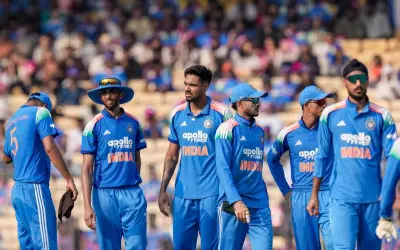
The 15 young athletes who clinched the Under-19 World Cup trophy in Harare last Friday represent far more than another addition to India's illustrious cricketing cabinet. Their triumph stands as powerful testimony to a profound revolution unfolding across the nation's hinterlands—a compelling narrative where aspiration meets opportunity, and talent transcends geographical and circumstantial boundaries.
Geographical Diversity: Cricket's Expanding Footprint
This championship-winning squad showcases remarkable geographical diversity that challenges cricket's traditional power structures. Vaibhav Sooryavanshi emerges from Tajpur in Bihar's Samastipur district, an area grappling with significant poverty indices. Henil Patel hails from Jujwa, a modest Gujarat village with barely 3,240 residents. The roster includes players from Gandhidham, Kulana village in Haryana, Modasa, Thrissur, and Bhagalpur—locations that rarely feature in cricket's conventional corridors of influence.
This represents more than the familiar small-town success story; it demonstrates India's expanding cricketing footprint reaching previously unmapped territories and communities.

Socioeconomic Diversity: A Spectrum of Backgrounds
The team's composition reveals striking socioeconomic diversity that mirrors India's complex social fabric. Harvansh Pangalia's father drives trucks in Canada while his son remained in India to pursue his cricketing ambitions. Mohammed Enaan was born in the Middle East but returned to his homeland to chase his sporting dream. Vihaan Malhotra's father serves as a superintending engineer while his mother practices medicine. Kishan Singh's father farms in Bhagalpur, and Aaron George's father left his police position for corporate flexibility to better support his son's talent development.
Behind nearly every young player stands a parent nurturing an unfulfilled dream—individuals from an era when cricket captured national imagination but lacked the infrastructure to properly harness talent.
The Evolving Ecosystem: Democratizing Cricket Dreams
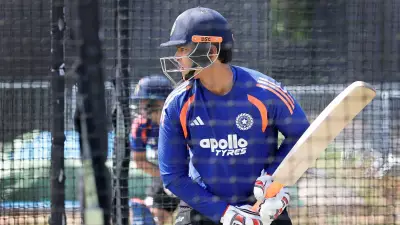
What unites this diverse cohort is neither privilege nor pedigree, but rather the sophisticated ecosystem that has evolved around Indian cricket. From Rajasthan Royals scouts identifying Sooryavanshi's potential to coaches in district associations recognizing raw talent, the talent net now casts wider than ever before in Indian cricket history.
This represents India's fifth junior world championship, but its deeper significance lies in who gets to lift the trophy. The geographical map of Indian cricket talent is expanding dramatically, while the dream of cricketing success is becoming increasingly democratized across socioeconomic strata.
Cricket Mirroring National Diversity
The Under-19 World Cup victory powerfully demonstrates how cricket is increasingly mirroring India's remarkable diversity. As the sport's infrastructure expands beyond traditional urban centers and privileged backgrounds, it creates pathways for talent from previously underrepresented regions and communities.
This democratization of opportunity represents a significant evolution in Indian cricket, transforming it from an elite pursuit to a truly national passion accessible to talent regardless of geographical location or family background. The success of these young athletes signals a new era where cricket dreams are no longer confined to specific regions or social classes but have become genuinely nationwide aspirations.