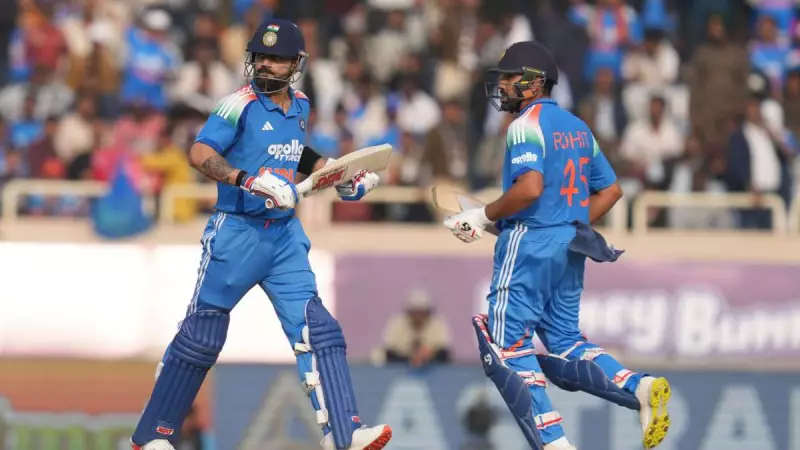
In a candid revelation that has sent ripples through the cricketing community, former Indian batsman Robin Uthappa has expressed his views on the surprising Test retirement of modern-day legend Virat Kohli. Uthappa, known for his forthright opinions, stated that he does not believe the decision was a 'natural' one, hinting at underlying factors that may have influenced the star batter's sudden exit from the longest format of the game.
Uthappa's Candid Assessment of Kohli's Exit
The discussion took place during a recent interaction where Uthappa was asked about the high-profile retirements that have recently shaped Indian cricket. While acknowledging Kohli's monumental contributions, Uthappa pointedly remarked on the timing and nature of his departure from Test cricket. Uthappa emphasized that a retirement of such a colossal figure usually follows a visible decline or a planned phase-out, which he felt was not the case with Kohli. This perspective adds a new layer of intrigue to an event that initially seemed like a personal decision made at the pinnacle of a celebrated career.
Uthappa contrasted Kohli's exit with that of former captain Rohit Sharma, whose retirement from Tests, according to him, appeared more 'organic' and followed a clearer trajectory. He suggested that Rohit's career in the whites had seen its natural cycle, while Kohli's move came as more of a jolt to the system. The former cricketer's comments imply that external pressures or internal dynamics within the team setup might have played a role, a topic of much speculation among fans and pundits alike.

The Context and Speculations
Virat Kohli announced his retirement from Test cricket earlier this year, a decision that stunned the sporting world. Coming from a player who redefined fitness and aggression in the Indian Test arena, the announcement was unexpected. Uthappa's analysis digs into this unexpectedness. He questioned whether a player of Kohli's caliber and passion would willingly step away at a time when he was still contributing significantly, unless compelled by circumstances beyond the cricket field.
The remarks were made in the context of discussing leadership transitions and team environment, subjects Uthappa has been vocal about in the past. He did not elaborate on specific 'unnatural' causes but left his statement open to interpretation, fueling discussions about management decisions, player autonomy, and the intense pressures of modern international cricket. This has led to widespread debate on social media and sports forums, with many dissecting Kohli's final series and his interactions with the team management for clues.
Implications for Indian Cricket's Future
Uthappa's comments are more than just an opinion on a past event; they reflect on the health and transparency of the system that nurtures India's cricketing icons. By labeling the retirement as not natural, he indirectly calls for a closer examination of how the Board of Control for Cricket in India (BCCI) and team management handle the twilight years of their superstar players. It raises questions about communication, succession planning, and the respect for a player's legacy.
Furthermore, this episode puts the spotlight on the immense pressure cricketers face off the field. The narrative suggests that the weight of captaincy, constant scrutiny, and perhaps disagreements over the team's direction could accelerate the end of a career, even for someone as resilient as Kohli. The void left by Kohli in the Test batting lineup remains significant, and the search for a player with similar grit and consistency is an ongoing challenge for the selectors.
In conclusion, Robin Uthappa's frank take has reopened a chapter many thought was closed. While Virat Kohli's stature and records remain untouched, the conversation around his final bow in Test cricket now carries a hint of mystery and speculation. It serves as a reminder that behind the glorious statistics and on-field heroics, the human elements of decision-making, pressure, and institutional dynamics play a crucial role in shaping the careers of even the greatest athletes.