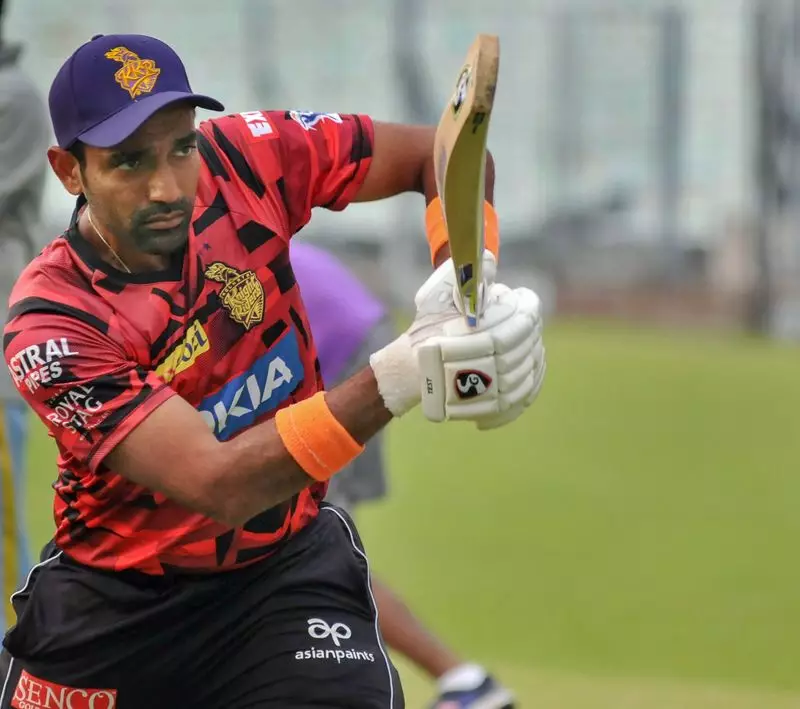
Former Indian cricketer Robin Uthappa has voiced a significant concern for the global cricketing body, stating that the novelty and excitement surrounding International Cricket Council (ICC) tournaments are gradually diminishing. He emphasizes that the sport's governing bodies must evolve from an administrative perspective to rekindle fan interest and ensure the long-term vitality of these premier events.
The Core of Uthappa's Argument: A Waning Spark
In a candid assessment, Uthappa pointed out that while the quality of cricket remains high, the unique allure that once defined tournaments like the World Cup is not as potent as before. The former batter, who was part of India's 2007 T20 World Cup-winning squad, suggested that the current structure and frequency of these events might be leading to viewer fatigue. The sheer volume of cricket, including bilateral series and lucrative domestic leagues like the IPL, has created a crowded calendar where ICC events risk losing their special status.
Uthappa's comments come at a crucial time, just as the T20 World Cup 2024 is underway in the West Indies and the USA. He observed that the initial rounds of such tournaments, often featuring one-sided matches, struggle to capture consistent global attention. The challenge, he implies, is to make every stage of an ICC event compelling, not just the semi-finals and finals.

Prescription for Change: Evolving the Blueprint
So, what is the solution according to the World Cup winner? Uthappa calls for a proactive and innovative evolution in how these tournaments are conceived and managed. He believes the ICC and other administrative bodies need to think beyond the traditional formats. This could involve experimenting with new competition structures, scheduling, or even integrating fan engagement models from successful leagues.
The key is to prioritize the viewer and fan experience, ensuring that an ICC tournament feels like an unmissable festival of cricket, distinct from the regular season's flow. This requires administrative will and a forward-thinking approach to marketing, scheduling, and perhaps even revisiting the qualification pathways to make early matches more competitive and engaging.
Broader Context and Future Implications
Uthappa's critique is not an isolated one. Many former players and pundits have discussed the need for cricket to modernize its global events to stay relevant in a rapidly changing sports entertainment landscape. The rise of franchise cricket has set new benchmarks for viewer engagement and presentation, against which ICC events are now constantly measured.
If the novelty continues to wear off, it could impact broadcast rights, sponsorship value, and ultimately the revenue that funds the sport's growth worldwide. Therefore, Uthappa's words serve as a crucial reminder to the custodians of the game. The need to innovate and adapt is not just desirable but essential for the sustained health and popularity of international cricket tournaments. The administrative evolution he advocates for could determine how the next generation of fans connects with the sport's most prestigious championships.