Uttarakhand's Remarkable Ranji Trophy Journey: A Legacy of Lodha Reforms
The Supreme Court-mandated Justice Lodha reforms, which compelled the Board of Control for Cricket in India (BCCI) to establish separate state teams, have yielded a complex tapestry of outcomes across the nation's cricketing landscape. While some newly formed teams like Arunachal Pradesh and Mizoram have struggled significantly, often becoming the subjects of record-breaking performances by opponents, other squads have defied expectations with remarkable resilience and achievement.
Uttarakhand's Historic Semifinal Berth Against All Odds
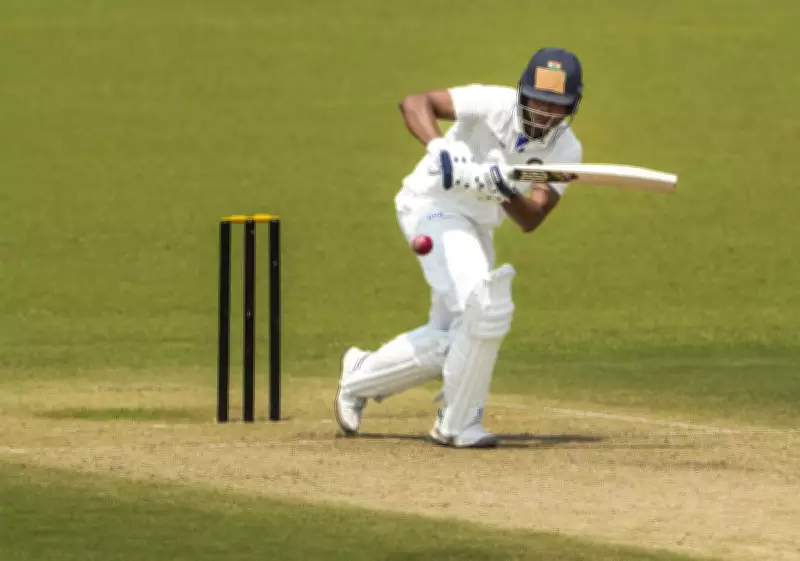
In a stunning display of determination, the Central Zone team from Uttarakhand secured their maiden Ranji Trophy semifinal spot last week by defeating Jharkhand with an emphatic innings victory. This accomplishment is far from a mere fluke; since gaining independent status in 2018, Uttarakhand has consistently demonstrated competitive prowess, reaching the quarterfinals on two previous occasions.
Based in Dehradun but compelled to play their crucial February 15-19 semifinal against Karnataka in Lucknow due to inadequate local stadium infrastructure, the team's journey underscores both their adaptability and the challenges they face. It is noteworthy that Uttarakhand was part of Uttar Pradesh as recently as the year 2000, yet has already produced notable cricketing talents such as Rishabh Pant, Ayush Badoni, and Anuj Rawat.

Resource Constraints and Unyielding Passion: The Uttarakhand Story
Navneet Mishra, the manager of the Uttarakhand Ranji team, candidly revealed the team's stark realities in an interview with Times of India. "We possess neither substantial financial resources, a significant bank balance, nor advanced infrastructure. What we do have is an abundance of junoon—an unwavering passion and fervor for the game," Mishra emphasized.
The Cricket Association of Uttarakhand faces additional structural hurdles. Mahim Verma, the association's secretary, explained that their constitution mandates selectors to have a minimum experience of 25 first-class matches, a criterion the state currently cannot meet internally. "Perhaps it is advantageous to have external selectors, as it reduces local pressures and administrative complexities," Verma noted pragmatically. Consequently, three of their selectors, including the chairman, hail from Jammu & Kashmir, Himachal Pradesh, and Assam.
Strategic Coaching and Red-Ball Focus: Keys to Success
Following a contentious conclusion to their coaching partnership with former India and Mumbai batting stalwart Wasim Jaffer in 2021, Uttarakhand made a strategic decision by appointing Manish Jha as head coach. Jha, originally from Bengal, played for Services, is based in Delhi, and brought valuable coaching experience from stints with Manipur and Delhi U-23 teams.
Jha's methodology has proven highly effective. "Previously, our preparation for the Ranji season involved predominantly limited-overs matches, which did not align with our ultimate objectives," Jha recounted. "I initiated multi-day red-ball practice matches among Ranji probables and U-23 players. Many players were initially focused on aggressive, slog-oriented batting with IPL contracts in mind, but this traditional format is the true essence of cricket. These matches have been instrumental in cultivating the correct mindset among our squad."
He further highlighted the comprehensive fitness programs implemented for all players and the utilization of indoor nets during the heavy monsoon period from June 15 to September 15, which have collectively contributed to the team's enhanced performance and endurance.
Uttarakhand's ascent in the Ranji Trophy not only celebrates their sporting achievement but also serves as a compelling case study on how structural reforms, coupled with dedicated coaching and player commitment, can foster excellence even in resource-constrained environments.