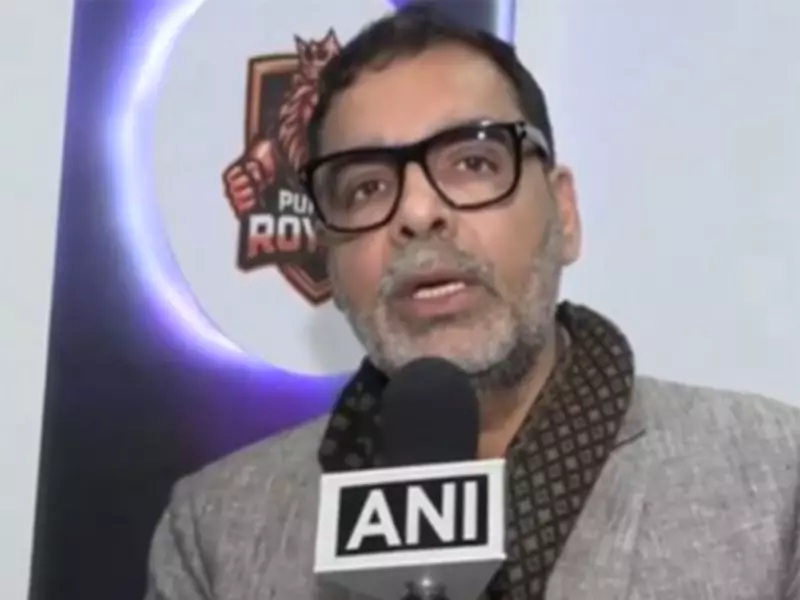
WFI President Sanjay Singh Advocates for Boycott of Pakistan in T20 World Cup
In a significant development that has stirred the sporting community, Sanjay Singh, the President of the Wrestling Federation of India (WFI), has publicly called for a boycott of Pakistan by the Indian government and cricket players in the upcoming T20 World Cup. This statement comes amid escalating tensions and security concerns between the two neighboring nations, highlighting the intersection of sports and politics.
Background of the Controversy
The T20 World Cup row has been brewing for some time, with various stakeholders expressing apprehensions about India's participation in matches against Pakistan. Sanjay Singh's remarks add a new dimension to this debate, emphasizing the need for a firm stance from both governmental and athletic fronts. Historically, India-Pakistan cricket matches have been highly anticipated events, but recent geopolitical issues have cast a shadow over such encounters.
Singh's call for a boycott is rooted in broader concerns regarding national security and diplomatic relations. He argues that allowing Indian players to compete against Pakistan could undermine India's position on key issues and potentially expose athletes to risks. This perspective reflects a growing sentiment among some Indian officials who believe that sports should not be isolated from political realities.

Implications for Indian Cricket and Government
If the Indian government heeds Singh's advice, it could lead to a major shift in how bilateral sports engagements are handled. A boycott would not only affect the T20 World Cup but also set a precedent for future tournaments. The Indian cricket team, known for its competitive spirit and global fanbase, might face challenges in navigating such a politically charged environment.
Moreover, this move could impact the morale and preparation of players, who often train extensively for high-stakes matches. It raises questions about the autonomy of sports bodies and the extent to which political decisions should influence athletic participation. Singh's stance underscores the delicate balance between maintaining sportsmanship and upholding national interests.
Reactions and Broader Context
Sanjay Singh's comments have sparked a mix of support and criticism from various quarters. Some applaud his bold stance as a necessary measure to protect India's sovereignty, while others view it as an unnecessary politicization of sports. The Wrestling Federation of India, under his leadership, has been vocal on issues beyond wrestling, indicating a trend of sports administrators engaging in broader national debates.
This controversy also touches upon the role of international sports organizations in mediating such disputes. The T20 World Cup, organized by the International Cricket Council (ICC), may face logistical and ethical dilemmas if India decides to boycott matches against Pakistan. It highlights the complex interplay between global sports events and regional politics.
In conclusion, Sanjay Singh's call for a boycott of Pakistan in the T20 World Cup adds a new layer to the ongoing discourse on India-Pakistan relations in sports. As the situation unfolds, it will be crucial to monitor responses from the Indian government, cricket authorities, and the international community to understand the full ramifications of this proposed action.