China's Football Corruption Crackdown: 73 Banned for Life, 13 Clubs Fined
The Chinese Football Association (CFA) has taken unprecedented disciplinary action against widespread corruption in the sport, announcing lifetime bans for 73 individuals and substantial fines for 13 professional clubs. This sweeping crackdown represents one of the most significant purges in Chinese football history.
Former National Team Coach Among Those Banned
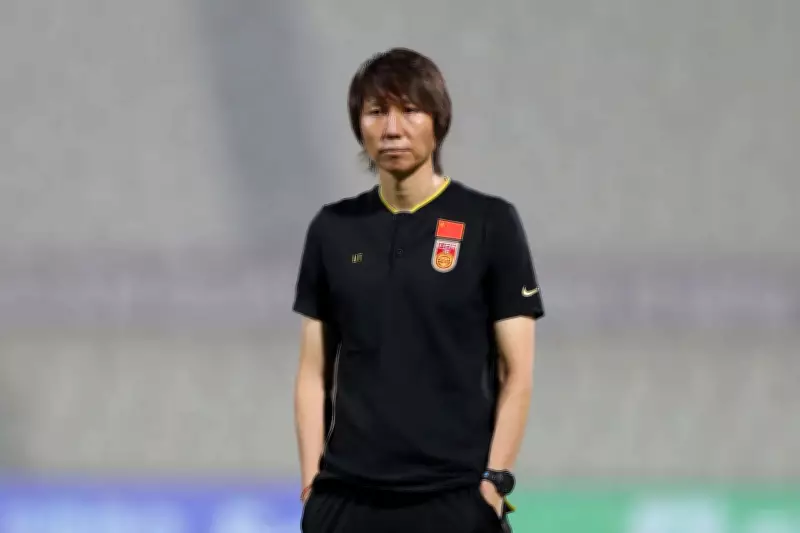
Among those receiving lifetime bans is former Chinese national team coach Li Tie, who previously played for English Premier League club Everton and managed the national squad from 2019 to 2021. Li Tie is already serving a 20-year prison sentence for bribery, having been convicted in December 2024. The CFA's announcement extends his punishment to a permanent exclusion from all football-related activities.
Wider Anti-Corruption Campaign Under President Xi
These punishments form part of a broader anti-corruption initiative championed by Chinese President Xi Jinping, which has already resulted in the removal of several CFA officials and the banning of dozens of players for match-fixing and gambling offenses. The campaign aims to cleanse Chinese football of systemic corruption that has plagued the sport for years.

The CFA stated that the disciplinary measures followed a "systematic review" and were necessary "to enforce industry discipline, purify the football environment, and maintain fair competition." The association made this announcement through its official social media channels on Thursday, though the statement did not specify when the most recent match-fixing incidents occurred or provide detailed case information.
High-Profile Convictions and Club Penalties
Another prominent figure in the corruption scandal is former CFA chairman Chen Xuyuan, who is currently serving a life sentence for accepting approximately $11 million in bribes. These high-level convictions demonstrate the depth of corruption that had infiltrated Chinese football administration.
The penalties extend beyond individuals to affect professional clubs directly. Of the 16 teams competing in the 2025 Chinese Super League, 11 will face point deductions and financial penalties:
- Tianjin Jinmen Tiger and last season's runners-up Shanghai Shenhua will each lose 10 points and pay a one million yuan (approximately $144,000) fine when the 2026 season begins
- Shanghai Port, champions for the past three consecutive seasons, and Beijing Guoan will each lose five points and pay a 400,000-yuan fine
These club sanctions represent significant competitive disadvantages that will reshape the upcoming Chinese Super League season and send a strong message about the consequences of corruption in professional football.
Systemic Reform in Chinese Football
The comprehensive nature of these punishments indicates a determined effort by Chinese authorities to address corruption at multiple levels of the sport. From former national team coaches and association officials to professional clubs and players, the crackdown appears designed to reset Chinese football's ethical foundation.
This move follows years of concerns about match-fixing, gambling, and bribery in Chinese football, which have undermined the sport's credibility and development. The lifetime bans and substantial penalties represent the most aggressive response yet to these systemic problems, potentially signaling a new era of transparency and integrity in Chinese football administration and competition.