Iran's National Football Team Firmly Rejects Exclusion from 2026 FIFA World Cup
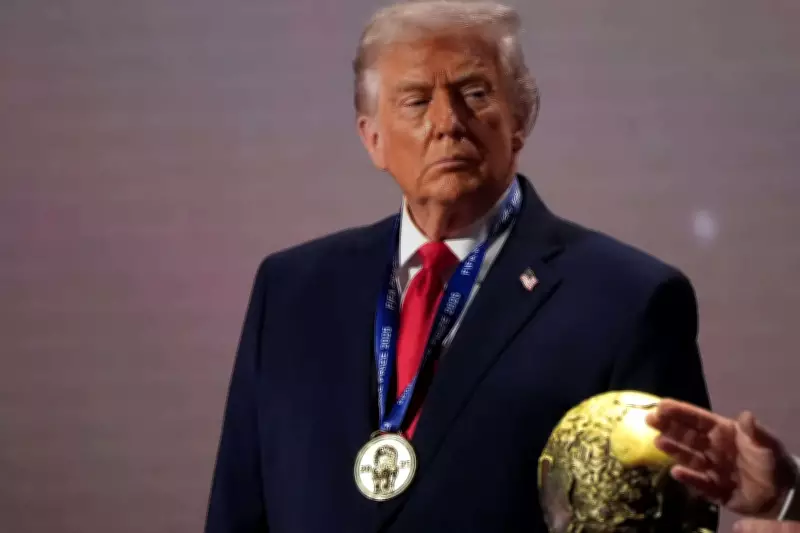
Iran has issued a strong and defiant statement, insisting that no entity can prevent its national football team from participating in the upcoming 2026 FIFA World Cup. This declaration comes as a direct response to recent comments made by former US President Donald Trump regarding potential safety risks for Iranian players in the United States, Canada, and Mexico, the three co-hosting nations of the prestigious global tournament.
Trump's Safety Warning Sparks Diplomatic Football Controversy
The Iranian national football team released an official statement on social media platforms on Thursday, following Trump's public warning that the players' "life and safety" could potentially be at risk while competing in the United States. Trump's remarks created immediate controversy, particularly as they came just two days after he reportedly assured FIFA President Gianni Infantino that Iranian players would be welcomed at the World Cup despite ongoing Middle East tensions.
Posting on his Truth Social platform, Trump stated: "The Iran National Soccer Team is welcome to the World Cup, but I really don't believe it is appropriate that they be there, for their own life and safety." These comments emerged amid heightened geopolitical tensions following military actions in late February, raising legitimate concerns about Iran's potential participation in the tournament.

Iran's Forceful Response: FIFA Authority and Qualification Merit
In a comprehensive and strongly-worded response, Iran's national team emphasized that the World Cup operates under FIFA's international governance, not under the authority of any single country or individual. The statement, as quoted by AFP, declared: "The World Cup is a historic and international event and its governing body is FIFA, not any individual or country."
The Iranian football authorities further stressed that their team had earned its World Cup qualification through legitimate sporting achievement and impressive performances during the qualification campaign. "Iran's national team, with strength and decisive victories achieved by the brave sons of Iran, was among the first teams to qualify for this major tournament," the statement elaborated, highlighting their rightful place in the competition based purely on football merit.
Questioning Host Nation Responsibilities and Security Capabilities
Iran's response took a particularly pointed turn by suggesting that if any host nation cannot guarantee safety for participating teams, that country's hosting role should be seriously questioned. The statement read: "Certainly no one can exclude Iran's national team from the World Cup. The only country that can be excluded is one that merely carries the title of 'host' yet lacks the ability to provide security for teams participating in this global event."
This represented a clear diplomatic challenge to the United States' hosting capabilities and appeared to be a direct counter to Trump's safety warnings. The statement effectively turned the security concern back on the host nations, questioning their fundamental responsibilities in organizing a safe international sporting event.
Trump's Subsequent Reassurance and FIFA's Current Position
Following Iran's strong response, Trump posted another message emphasizing that the United States remains fully prepared to host the global football event safely. "The United States of America looks very much forward to hosting the FIFA World Cup. Ticket sales are 'through the roof!'" he stated, attempting to balance his earlier safety concerns with confidence in American hosting capabilities.
Despite the significant political tensions surrounding Iran's potential participation, FIFA has not indicated any plans to alter the qualification status of the Iranian national team. The international football governing body maintains its position that sporting events should remain separate from political conflicts, though this incident highlights the increasing difficulty of maintaining that separation in today's geopolitical climate.

The controversy raises important questions about the intersection of international sports, diplomacy, and security, particularly as major global tournaments like the FIFA World Cup continue to face challenges in navigating complex political landscapes while maintaining their sporting integrity and universal appeal.