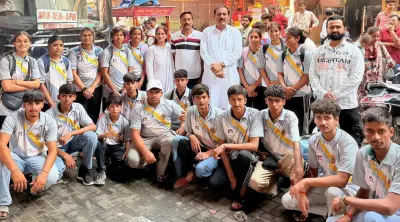
Iranian Women Footballers Reverse Asylum Bids Amid Political Pressure
In a significant development, three additional members of Iran's national women's football delegation have withdrawn their applications for political asylum in Australia, according to reports from Iranian state media on Saturday. This decision follows earlier withdrawals and highlights the intense political pressures facing athletes from the Islamic Republic.
Asylum Seeker Numbers Dwindle
Originally, seven members of the visiting women's football team—comprising six players and one backroom staff member—had sought sanctuary in Australia after competing in the Asian Cup. Their decision came after they faced severe criticism at home for refusing to sing Iran's national anthem during matches, an act interpreted as silent protest against the government amid ongoing regional tensions involving Iran, the United States, and Israel.
State broadcaster IRIB confirmed that "two players and a member of the technical staff of the women's national football team have given up on their asylum application in Australia and are currently heading to Malaysia." The broadcaster released photographs showing the three women wearing Islamic hijabs as they prepared to board a flight, signaling their return journey.

Chain of Withdrawals and Security Concerns
This latest reversal follows an earlier withdrawal by one player earlier in the week, who subsequently rejoined the main team contingent returning to Iran via Malaysia. According to Australian authorities, this initial returnee inadvertently exposed the location of other asylum seekers by contacting Iran's embassy in Australia, forcing them to relocate from their safe house for security reasons.
The remaining team members are currently believed to be in Kuala Lumpur, Malaysia, awaiting their final return to Iran. This situation underscores the precarious circumstances faced by athletes seeking to defect from nations with restrictive regimes.
Political Context and Accusations
The players' original protest—remaining silent during the national anthem at tournament matches in Australia—was widely viewed as an act of defiance against Iran's government. Iranian state television escalated tensions by branding the athletes "wartime traitors," raising legitimate fears about potential persecution or severe consequences upon their return home.
Human rights organizations have consistently accused Iranian authorities of employing coercive tactics against athletes abroad, including threats against family members or confiscation of property to prevent defections or critical statements about the Islamic Republic.
International Reactions and Diplomatic Tensions
Australian Prime Minister Anthony Albanese has publicly praised the courage of the Iranian women footballers, assuring them of a warm welcome should they choose to remain. However, Iran's football governing body has countered with allegations that Australia essentially kidnapped the players and coerced them into abandoning their homeland against their will.
The incident highlights the complex intersection of sports, politics, and human rights, particularly for female athletes from nations with stringent governmental controls. As geopolitical tensions persist in the Middle East, the plight of these footballers serves as a poignant reminder of the personal risks athletes sometimes take to express dissent or seek freedom.
The broader delegation's experience—from silent protest to asylum applications and subsequent withdrawals—illustrates the powerful pressures that can influence athletes' decisions when caught between international competition and domestic political realities.