Trump's Dire Caution to Iranian Football Stars Ahead of 2026 World Cup
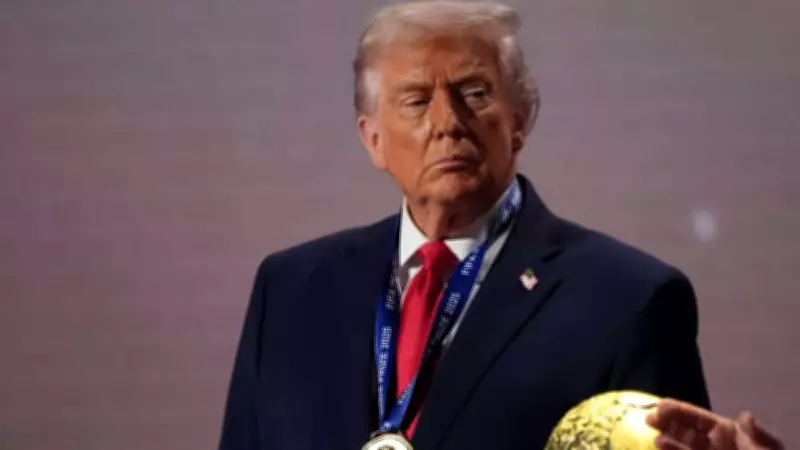
In a startling development that merges international politics with the world of sports, former United States President Donald Trump has issued a grave warning to Iranian football players. He has explicitly highlighted severe risks to their lives and personal safety should they choose to compete in the upcoming FIFA World Cup 2026. This statement emerges against a backdrop of longstanding and escalating geopolitical tensions between the United States and Iran, casting a shadow over what is typically a celebratory global sporting event.
Geopolitical Tensions Spill Over into the Football Arena
The warning from Trump underscores how deeply entrenched political conflicts can permeate even the most apolitical of domains, such as international football. Iran's national football team, known for its passionate fanbase and competitive spirit, now finds itself at the center of a high-stakes diplomatic crossfire. Trump's remarks suggest that the athletes could become targets or face unforeseen dangers due to the hostile relations between their home country and the United States, potentially turning their World Cup journey into a perilous endeavor.
This intervention raises critical questions about the safety and security protocols for players from nations involved in international disputes. FIFA, football's global governing body, has historically aimed to keep politics separate from the sport, but instances like this challenge that principle. The organization may now need to reassess and reinforce its protective measures to ensure all participants, regardless of nationality, can compete in a secure environment during the 2026 tournament, which is set to be hosted across North America.

Potential Repercussions for the 2026 World Cup and Beyond
The implications of Trump's warning extend far beyond the immediate concerns for Iranian players. Should the threat be perceived as credible, it could influence team selections, with players possibly opting out due to fear for their well-being. This scenario would not only diminish the competitive integrity of the World Cup but also deprive fans of witnessing top-tier talent from Iran on football's grandest stage.
Moreover, this situation sets a concerning precedent where athletes from other nations embroiled in geopolitical conflicts might face similar intimidations. It highlights a growing trend where sports events are increasingly leveraged as platforms for political messaging, potentially undermining the unity and spirit of international competition. The global football community, including fans, officials, and fellow athletes, will be closely monitoring how FIFA and host nations address these security challenges in the lead-up to 2026.
In conclusion, Donald Trump's stark warning to Iranian footballers injects a dose of geopolitical reality into the preparations for the FIFA World Cup 2026. It serves as a potent reminder that in today's interconnected world, the beautiful game cannot always escape the complexities of international relations. Ensuring the safety of all participants must now be a paramount priority as the tournament approaches.