Navneet Kaur Highlights the Need for Balanced Hockey Tactics
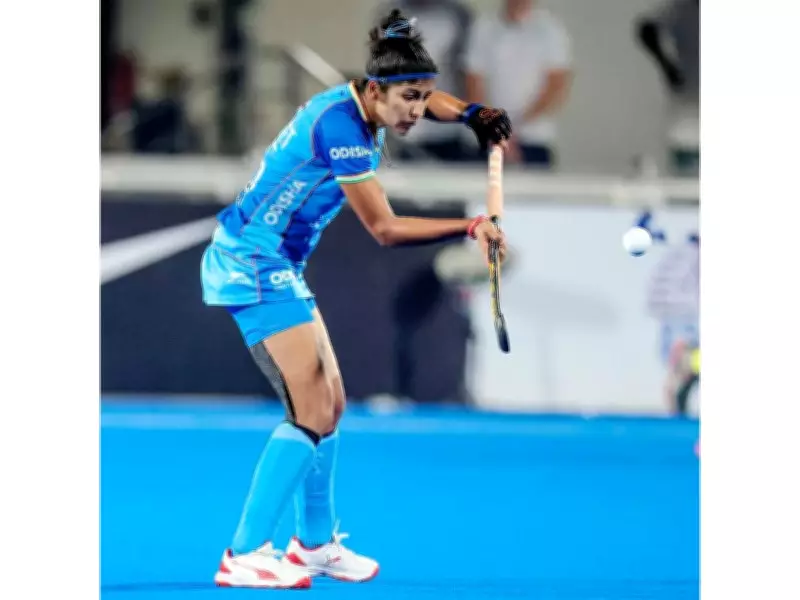
Indian women's hockey forward Navneet Kaur has delivered a crucial message to players and fans alike, asserting that in today's fast-paced game, attacking alone is not sufficient for achieving victory. In a recent statement, she emphasized that modern hockey demands a more comprehensive and disciplined approach, where defensive solidity and teamwork play equally vital roles alongside offensive prowess.
The Evolution of Hockey: Beyond Just Scoring Goals
Kaur pointed out that the sport has undergone significant transformation over the years. "The game has evolved tremendously," she noted, highlighting how teams now focus on a holistic strategy rather than relying solely on goal-scoring abilities. She explained that while attacking remains a key component, it must be supported by robust defensive structures and coordinated team efforts to counter opponents effectively.
This shift in mindset reflects broader trends in international hockey, where success often hinges on a team's ability to maintain balance across all areas of the pitch. Kaur's insights come at a time when the Indian women's hockey team is striving to enhance its performance on the global stage, aiming to build on past achievements and compete with top-tier nations.

Key Elements of a Successful Hockey Strategy
According to Navneet Kaur, several factors contribute to a winning formula in contemporary hockey:
- Defensive Discipline: Players must prioritize defensive responsibilities, including marking opponents, intercepting passes, and maintaining positional awareness to prevent counter-attacks.
- Team Coordination: Effective communication and seamless teamwork are essential for executing strategies, whether in attack or defense, ensuring that all players work in unison.
- Fitness and Agility: The physical demands of modern hockey require athletes to be in peak condition, enabling them to sustain high-intensity play throughout matches.
- Adaptability: Teams need to be flexible in their tactics, adjusting to different opponents and game situations to exploit weaknesses and capitalize on opportunities.
Kaur's perspective is rooted in her extensive experience with the Indian national team, where she has witnessed firsthand the importance of a well-rounded approach. She believes that embracing these principles can help elevate the team's performance and foster a more competitive edge in international tournaments.
Implications for Indian Women's Hockey
Navneet Kaur's remarks serve as a timely reminder for the Indian women's hockey squad as they prepare for upcoming challenges. By advocating for a balanced strategy, she encourages players to develop their skills across all aspects of the game, rather than focusing narrowly on attacking roles. This holistic view could lead to improved results and greater consistency in performances.
Moreover, her insights resonate with coaches and analysts who stress the need for tactical sophistication in modern sports. As hockey continues to evolve, adopting such a comprehensive approach may be key to unlocking success and inspiring future generations of players in India and beyond.
In conclusion, Navneet Kaur's emphasis on the insufficiency of attacking alone in today's hockey underscores a critical shift in the sport's dynamics. Her call for defensive discipline and teamwork highlights the path forward for teams aiming to excel in an increasingly competitive landscape.