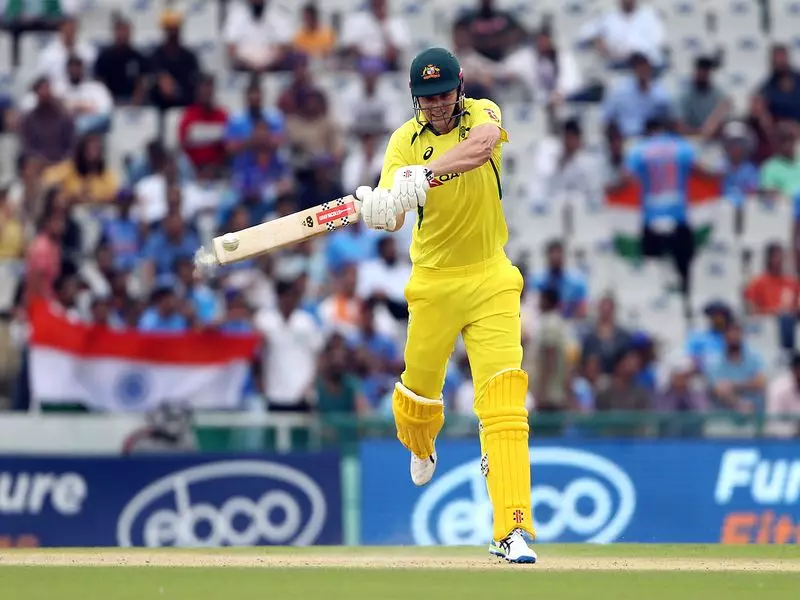
The recent IPL 2026 mega auction in Dubai sent shockwaves through the cricketing world with its record-breaking bids. Australian all-rounder Cameron Green emerged as one of the top earners, with the Mumbai Indians successfully retaining him for a staggering sum of Rs 25.2 crore. However, a crucial detail buried in the IPL's retention rules means Green's actual take-home salary will be significantly less.
The Retention Rule That Changes Everything
While the hammer price for Cameron Green was a monumental Rs 25.2 crore, the fine print of the IPL's player retention policy dictates a different payout. According to the rules, when a franchise uses a 'Right to Match' (RTM) card or retains a player from its previous squad, the player's salary is calculated based on a specific formula, not the final auction bid.
For Cameron Green, his salary from the previous season with Mumbai Indians serves as the baseline. He was originally acquired by Mumbai for Rs 17.5 crore in the auction. The retention rules allow for a standard 20% increase on this previous salary for a retained player. This calculation results in his official contract value for the 2026 season.

Breaking Down the Numbers: Rs 25.2 Crore vs. Rs 18 Crore
Here is the simple math that explains the significant difference between the auction price and Green's actual earnings:
- Previous Season Salary (2025): Rs 17.5 crore
- Permitted Increase: 20% of Rs 17.5 crore = Rs 3.5 crore
- Final Contract Value for 2026: Rs 17.5 crore + Rs 3.5 crore = Rs 21 crore
However, reports clarify a further nuance. It is understood that Green's final take-home will be approximately Rs 18 crore, not the calculated Rs 21 crore. This suggests potential negotiations or specific contract terms between the player and the franchise, bringing his actual earnings closer to his old salary plus a modest raise.
The massive Rs 25.2 crore figure is essentially the 'price' Mumbai Indians paid to secure his retention rights against competing bids from other franchises. The extra Rs 7.2 crore gap between the auction price and his salary represents a premium the franchise pays to the IPL's central pool for the privilege of retaining him, not money that goes into the player's pocket.
Implications for Mumbai Indians and IPL Economics
This rule has profound implications for team strategy and the auction's financial dynamics. For the Mumbai Indians, securing a world-class all-rounder like Green was a top priority, justifying the premium. His ability to contribute powerfully with both bat and ball makes him a unique asset in the T20 format.
The rule is designed to maintain a balance, preventing overly powerful teams from hoarding all top talent by making retention financially impactful on the team's purse. The Rs 7.2 crore difference is deducted from Mumbai's total auction budget, affecting their ability to bid for other players. This mechanism ensures a more competitive and balanced league.
For players, understanding this distinction is critical. While the headline auction number generates immense publicity and defines a player's market value, the actual contract dictates their real income. Cameron Green's case is a perfect example of how the IPL retention rules create a complex financial landscape behind the glamour of the auction podium.
As the IPL continues to grow into a multi-billion dollar enterprise, such nuanced regulations will play an increasingly important role in shaping team compositions, player careers, and the overall health of the tournament's competitive ecosystem.