IPL Franchises Opt for Distant Pre-Season Camps, Sparking Fan Engagement Debate
As the 2026 Indian Premier League season approaches, several franchises have commenced their pre-season preparations at training facilities located hundreds or even thousands of kilometres away from their designated home cities. This unconventional approach has ignited significant discussion about team identity, fan connection, and the fundamental concept of home advantage in the world's premier T20 cricket league.
Notable Team Movements and Training Locations
Shubman Gill, fresh from missing selection for the T20 World Cup squad, has reunited with his Gujarat Titans teammates for their pre-season work. Similarly, Rajasthan Royals' emerging talent Vaibhav Sooryavanshi has joined his squad following impressive performances at the U-19 World Cup. However, the geographical choices for these training camps have raised eyebrows across the cricketing community.
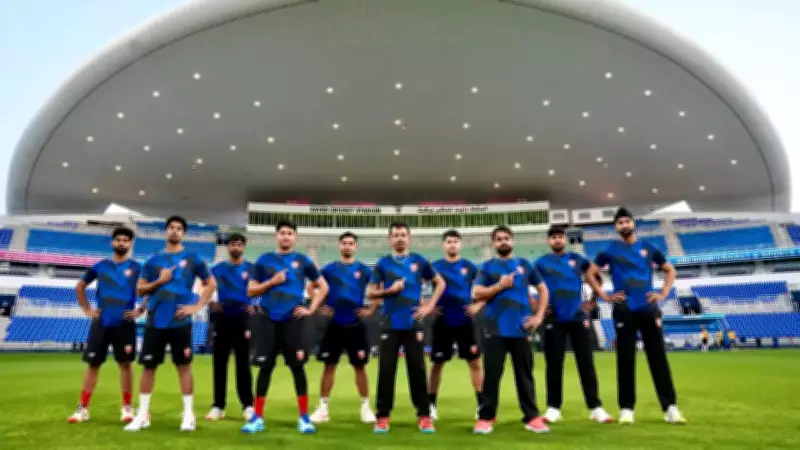
The Delhi Capitals travelled to Hyderabad for their preparations, while the Kolkata Knight Riders set up camp at Mumbai's historic Shivaji Park grounds. The Rajasthan Royals are utilizing their Academy facility in Talegaon, Nagpur, and the Royal Challengers Bengaluru have stationed themselves at the DY Patil Stadium in Navi Mumbai. Most surprisingly, the Punjab Kings conducted their training camp at the Sheikh Zayed Stadium in Abu Dhabi, United Arab Emirates.

Questioning the Logic Behind Distant Training Facilities
It appears perplexing that these wealthy IPL franchises could not secure suitable training facilities within their own cities or states. Even accounting for some venues being reserved for the ongoing T20 World Cup, the geographical distances involved seem difficult to justify. For instance, the Gujarat Titans could potentially have utilized facilities in Baroda, Saurashtra, or Surat rather than traveling extensively.
Similarly, the Punjab Kings had multiple options including Mullanpur, Mohali, or Dharamsala within their traditional catchment areas. The Delhi Capitals had potential alternatives like the GMR Aerocity Ground or Palam facilities, which the BCCI regularly uses for its own tournaments. This situation draws parallels to English Premier League clubs training at rival facilities rather than their own home grounds.
Timing and Fan Engagement Considerations
With the IPL 2026 season approximately four weeks away, this period represents a crucial opportunity for franchises to establish connections with their local fan bases. Instead, several teams have chosen to conduct preparations hundreds or thousands of kilometres from their designated home cities. This approach appears counterproductive when considering the league's stated objectives of growing regional support and building distinctive team cultures.
In contrast, other major T20 leagues like Australia's Big Bash League maintain strong local connections, with fans often attending practice sessions and knowing well in advance where their teams will be based. The current IPL approach risks alienating the very supporter bases that form the foundation of the league's commercial success.
Broader Context of Unstable Home Bases
This training camp controversy occurs against a backdrop of uncertainty regarding some franchises' home venues for the upcoming season. According to reports, defending champions Royal Challengers Bengaluru have been asked to explore other options before considering DY Patil Stadium in Navi Mumbai as their home ground.
The Rajasthan Royals reportedly required weeks of negotiation to confirm that they would host four home games in Jaipur with the remainder in Guwahati. Similarly, the Punjab Kings have regularly split home matches between New Chandigarh and Dharamsala, while the Delhi Capitals have previously utilized both Visakhapatnam and Delhi as 'home' venues within a single IPL season.
Expert Perspectives on Home Advantage
KKR mentor Dwayne Bravo emphasized the importance of fan support during last season's controversies regarding pitch preparation. "What helps with the home advantage is the fans. I think that is more important than how the pitch plays. I can't really comment much on the pitches but once the fans enter the game, cheer us on, that makes a difference," Bravo stated.

Former India cricketer and commentator Aakash Chopra concurred with this assessment. "Home advantage is real, and that comes in only two forms: one is the surface that you choose and the second is the crowd support that is there. Other than that, it's an away game," Chopra explained.
Potential Long-Term Implications
If franchises continue to treat cities as interchangeable locations rather than establishing deep roots, the IPL risks transforming into a traveling spectacle without genuine regional identities. The concept of playing at multiple venues as 'home' grounds potentially disrespects the original host cities and undermines fan engagement efforts that should begin during pre-season preparations.
This development raises fundamental questions about the IPL's brand identity and whether teams are prioritizing logistical convenience over building lasting connections with their designated fan communities. As the league continues to expand its global footprint, maintaining strong local foundations becomes increasingly crucial for sustainable growth and fan loyalty.