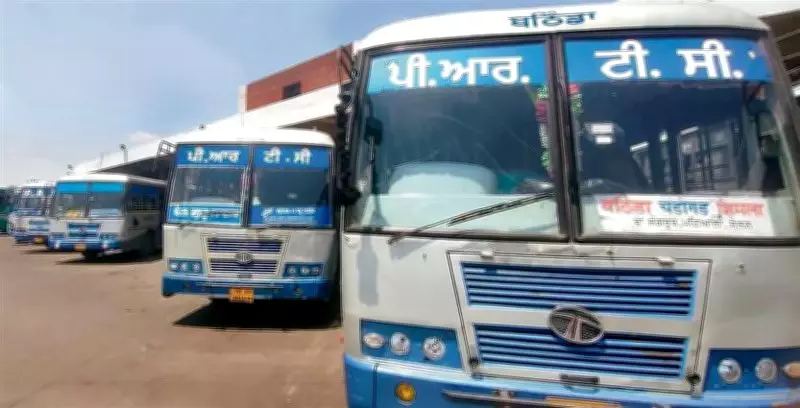
Punjab Announces Largest Bus Fleet Expansion in 20 Years
Punjab Finance and Transport Minister Harpal Singh Cheema announced on Saturday that the state will add 1,279 government buses, marking the biggest expansion of the public transport fleet in over two decades. The move will increase the total fleet from 2,267 to 3,546 buses, a 56% increase, and is aimed at making Punjab the leading state in public transport infrastructure in India.
Technological Upgrades for Commuter Safety and Convenience
The new buses will be equipped with dashcams, onboard CCTV cameras, GPS tracking systems, and UPI QR code-based electronic ticketing. Cheema stated that these technologies will enhance commuter safety, convenience, and last-mile connectivity. Women currently account for about 54% of passengers on government buses, and the installation of CCTV cameras is intended to further strengthen their safety.
Direct Procurement and Kilometre Scheme
The government has placed orders for 796 buses through direct procurement, including 696 ordinary buses (387 for PUNBUS and 309 for PEPSU Road Transport Corporation) and 100 midi buses for PRTC to improve rural and city connectivity. Additionally, 483 buses will be inducted under the kilometre scheme on lease, with over 250 already operational. Another 100 ordinary buses and 50 AC/HVAC buses are expected to start operating by October 2026.

Rollout Timeline
Approximately 300 ordinary buses are expected to hit the roads by November, with the remaining buses inducted in phases by December. The 100 midi buses will enter service by September. The deployment will be guided by satellite-based travel pattern surveys to identify underserved routes and ensure optimal placement.
Impact on Public Transport Ratio
Currently, Punjab has about seven government buses per lakh population. After the expansion, the ratio will increase to nearly 12 buses per lakh population, placing the state well above the national average for State Transport Undertakings. The enhanced fleet will enable PUNBUS and PRTC to increase services on high-demand routes and extend connectivity to villages and towns currently lacking scheduled services.