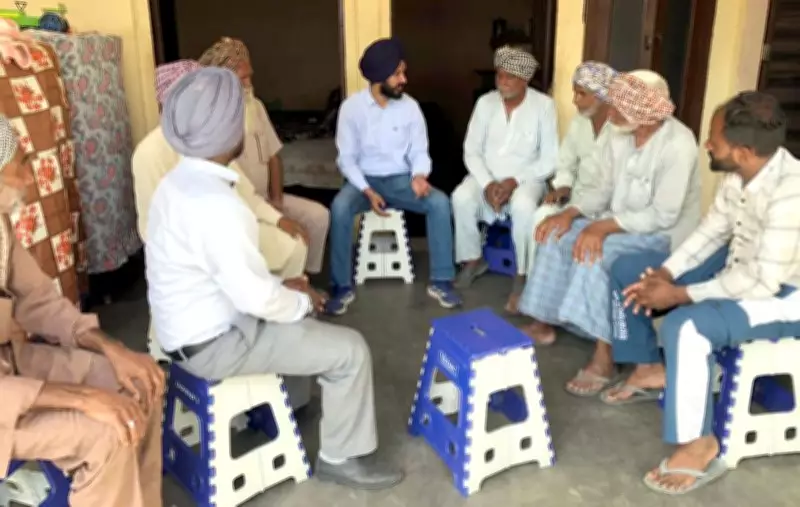
Ludhiana witnessed a significant initiative aimed at improving goat farming practices as three farmer-scientist interaction sessions were organized in the district. These sessions were conducted under the aegis of the Department of Animal Husbandry and Dairying, in collaboration with the Guru Angad Dev Veterinary and Animal Sciences University (GADVASU). The primary objective was to bridge the gap between scientific research and practical farming, enabling goat farmers to adopt modern techniques and overcome common challenges.
Objectives of the Sessions
The interaction sessions were designed to educate goat farmers about scientific breeding methods, disease management, and nutritional requirements. Experts from GADVASU emphasized the importance of genetic improvement through selective breeding and artificial insemination. Farmers were also educated on preventive healthcare measures to reduce mortality rates and enhance productivity. The sessions provided a platform for farmers to discuss their problems directly with scientists and receive tailored advice.
Key Topics Discussed
Several critical topics were covered during the sessions. These included:

- Breeding Techniques: Scientists highlighted the benefits of using improved breeds like Beetal and Saanen for higher milk and meat production.
- Feed Management: Farmers were advised on balanced feeding practices, including the use of mineral mixtures and green fodder to improve animal health.
- Disease Control: Common diseases such as goat pox, pneumonia, and internal parasites were discussed, along with vaccination schedules and biosecurity measures.
- Marketing Strategies: Experts shared insights on market linkages and value addition, such as producing cheese and yogurt, to increase income.
Participation and Impact
Over 150 goat farmers from various villages in Ludhiana district participated in the sessions. The interactive format allowed farmers to ask questions and share their experiences. Many farmers expressed that the sessions were highly beneficial and provided practical solutions to their day-to-day problems. The scientists also distributed informative pamphlets and demonstrated the use of modern equipment like deworming guns and milking machines.
Future Plans
Encouraged by the positive response, the Department of Animal Husbandry plans to conduct more such sessions in other districts of Punjab. Additionally, follow-up visits to farms will be organized to monitor the implementation of the recommended practices. The collaboration between GADVASU and the department aims to create a sustainable model for goat farming that can boost the rural economy.
The sessions concluded with a vote of thanks by the organizing team, who reiterated their commitment to supporting goat farmers through continuous education and technical assistance. Such initiatives are crucial for transforming traditional goat rearing into a profitable and scientific enterprise.