India stands at a pivotal moment in its sporting journey. The nation's aspirations for global dominance are soaring, yet a significant gap remains between potential and podium finishes. A clear, actionable wishlist is essential to transform passion into consistent, world-class performance.
The Foundation: Building a Robust Sporting Ecosystem
The journey begins at the very foundation. For India to become a sporting powerhouse, a nationwide ecosystem must be cultivated that identifies and nurtures talent from a young age. This requires a dual focus: mass participation and elite excellence.
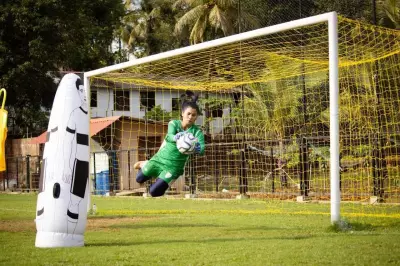
Programs like Khelo India are crucial first steps, but they need deeper penetration and sustained funding. The goal must be to make sports a viable and attractive career path, moving beyond the traditional focus on cricket. This involves constructing and maintaining world-class infrastructure accessible not just in metropolitan hubs but in smaller towns and rural areas. Furthermore, a scientific approach to training, recovery, and injury prevention is non-negotiable for modern athletes.

The Olympic Dream: A Systematic Approach to Podium Finishes
India's performance in multi-sport events like the Olympics and Asian Games reveals a pattern of sporadic brilliance rather than systematic dominance. The wishlist for change here is specific. India must identify and prioritize 10-12 sports with high medal potential based on global trends, existing talent pools, and body-type suitability.
Investment in these focus sports must be long-term and substantial, covering athlete training, international exposure, and support staff. The Target Olympic Podium Scheme (TOPS) is a move in the right direction, but its scope and efficiency can be enhanced. Learning from successful models like those in the UK or Australia, India needs to establish high-performance centers that integrate sports science, nutrition, and mental conditioning seamlessly.
Beyond the Athlete: Governance, Mindset, and Culture
Athletes do not perform in a vacuum. The administrative framework governing Indian sports often faces criticism for bureaucracy and inefficiency. A key item on the wishlist is professional, transparent, and accountable sports governance. National Sports Federations (NSFs) must be led by professionals and athletes, ensuring decisions are made for the benefit of the sport, not personal agendas.
Equally important is a societal shift. The mindset that views sports as a mere "hobby" or "distraction" from academics must evolve. Parents, educators, and policymakers need to recognize the value of sports in building discipline, teamwork, and resilience. Celebrating non-cricket sporting heroes with the same fervor is vital to inspire the next generation. A strong sporting culture is built on consistent media coverage, corporate sponsorship beyond cricket, and community-level clubs and leagues.
The final piece of the puzzle is the athlete's life after competition. A robust post-retirement career policy is essential to provide security and encourage more young people to take up sports professionally. When athletes see a clear and dignified path beyond their playing years, the risk associated with a sporting career diminishes.
India's sporting wishlist is ambitious but achievable. It demands a collective effort from the government, private sector, sports bodies, and the public. By building a strong foundation, targeting excellence strategically, and reforming the ecosystem that supports athletes, India can truly transition from a nation of sporting potential to a consistent global contender. The dream of a top-10 Olympic finish is not a fantasy; it is a target waiting to be met with will, work, and wisdom.