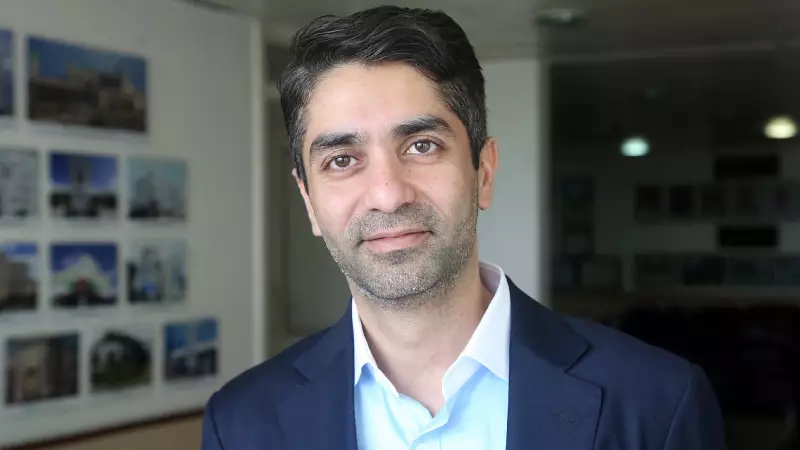
A high-level task force led by India's first individual Olympic gold medallist, Abhinav Bindra, has delivered a stark assessment of the country's sports ecosystem. The panel's report, submitted to the Sports Ministry, warns that medals are not won by talent alone and identifies systemic flaws that hinder India's potential on the global stage, especially as the nation eyes hosting the 2036 Olympics.
Critical Gaps in Administration and Governance
The 170-page report, prepared by a nine-member committee formed in August, pinpoints fundamental weaknesses within India's sports governance. It highlights ad-hoc decision-making, weak institutional continuity, and a severe lack of long-term professionalism as major roadblocks. A core issue is the dominance of "generalist civil servants" in key bodies like the Sports Authority of India (SAI) and state departments, who often lack specific sports expertise.
"Building strong systems and professional capacity is not separate from the goal of winning medals — it is central to it. Medals are not produced by talent alone," Bindra told The Indian Express. He emphasized that consistent Olympic success stems from patient investment in ecosystems encompassing athlete pathways, coaching, sports science, and robust governance.

Key Recommendations for a Systemic Overhaul
The task force, which also includes World Athletics vice-president Adille Sumariwalla, has proposed a concrete roadmap for reform. Its central recommendation is the professionalisation of sports administration through a clear national framework for capability and accountability.
The panel has called for the establishment of a National Council for Sports Education and Capacity Building (NCSECB) under the Sports Ministry. This body would regulate, accredit, and certify training for sports administrators. Other proposals include:
- Developing an India-specific curriculum to train future sports leaders.
- Creating dual career pathways for athletes to transition into administrative roles.
- Providing global exposure for existing administrators.
- Integrating sports administration modules into IAS and state cadre training programmes.
Over-centralisation and Lack of Coordination
The report sharply criticises the over-centralisation of power in many National Sports Federations (NSFs), where presidents exercise disproportionate control over operations, finance, and appointments. This stifles leadership development and contrasts with global norms separating governance from execution.
Furthermore, it notes fragmented and limited coordination between SAI, NSFs, and State Departments. Overlapping roles, duplication of functions, and unclear accountability create systemic bottlenecks. The report also confirms that SAI is critically understaffed, a concern previously raised by a Parliamentary Committee.
The panel cited international examples like Zimbabwean swimmer Kirsty Coventry, now an IOC President, and World Athletics chief Sebastian Coe to underline India's failure in creating dual career pathways for athletes, leaving them without administrative skills post-retirement.
Reacting to the report, Sports Minister Mansukh Mandaviya stated, "Medals don't only come with good athletes but also good governance and administration." He affirmed that the gaps identified and the suggested roadmap would be implemented alongside the proposed National Sports Governance Act.
Bindra concluded that the challenges are interconnected. "If India wants occasional sporting success, it can focus only on elite athletes, but if the country wants lasting success, it must build systems around them," he said, presenting the report as a broad reform agenda for a sustainable sporting future.