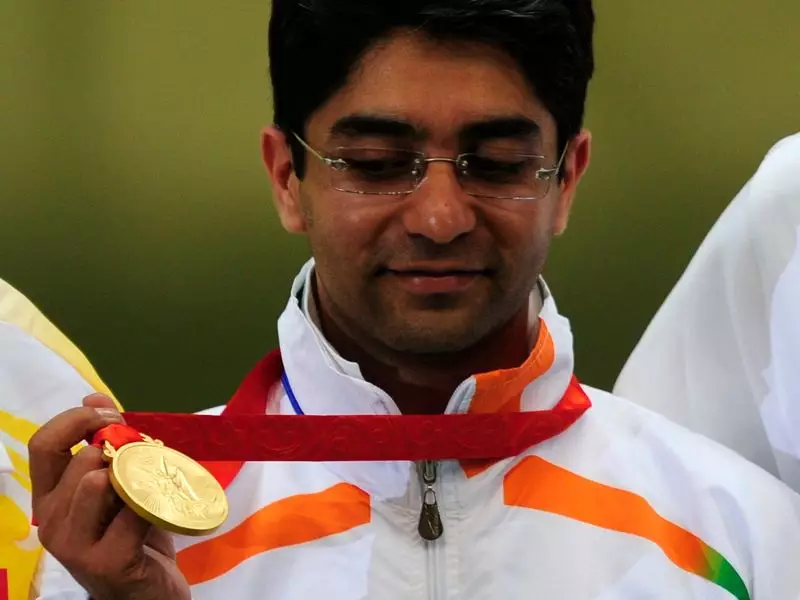
A high-level government task force, chaired by India's first individual Olympic gold medalist Abhinav Bindra, has delivered a stark assessment of the country's sports administration, highlighting significant systemic deficits. The findings were presented to Union Sports Minister Mansukh Mandaviya, who has promised a major overhaul to prepare for future Olympic Games.
Key Deficiencies Identified by the Elite Panel
The eight-member task force, which included other celebrated athletes like badminton star P.V. Sindhu and former hockey captain V.R. Raghunath, was formed after India's performance at the Tokyo Olympics. Its mandate was to analyze the existing framework and recommend a roadmap for the 2024, 2028, and 2032 Olympics.
The panel's report pinpointed several critical weaknesses. A primary concern is the lack of a cohesive, long-term vision and the absence of a systematic talent identification and nurturing program that spans from grassroots to the elite level. The report also underscores a severe shortage of high-quality support staff, including coaches, physiotherapists, and sports scientists, who are crucial for athlete development.

Furthermore, the task force emphasized the need for better data analytics and sports medicine infrastructure. It pointed out that Indian athletes often lack access to the cutting-edge technological and scientific support that their international competitors routinely benefit from.
Government's Pledge for a Comprehensive Revamp
In response to the findings, Sports Minister Mansukh Mandaviya assured that the government is committed to implementing the panel's recommendations. He acknowledged the gaps and stated that a revamp of the system is essential for building a sustainable sports ecosystem.
"We are going to revamp the entire system," Mandaviya declared after receiving the report. He emphasized that the focus will be on creating a structured pathway for athletes and establishing robust support mechanisms. The minister's promise signals a potential shift in how sports governance is approached in India, moving from a reactive to a proactive and strategic model.
Roadmap for Future Olympic Glory
The task force's work is not just a critique but a forward-looking blueprint. Its recommendations are designed to create a future-ready sports administration capable of delivering consistent success on the world's biggest sporting stage. The focus on the next three Olympic cycles indicates a desire for sustained planning rather than short-term fixes.
The involvement of top athletes like Bindra and Sindhu lends immense credibility to the report, as it incorporates the ground-level experiences of those who have navigated the system to reach the pinnacle of their sports. The government's acceptance of the findings and its pledge to act could mark a pivotal moment for Indian sports, aiming to translate the country's vast potential into a pipeline of championship-winning athletes.
The coming months will be crucial as the sports ministry translates these recommendations into actionable policies, potentially affecting national sports federations, training institutes like the Sports Authority of India (SAI), and funding models.