

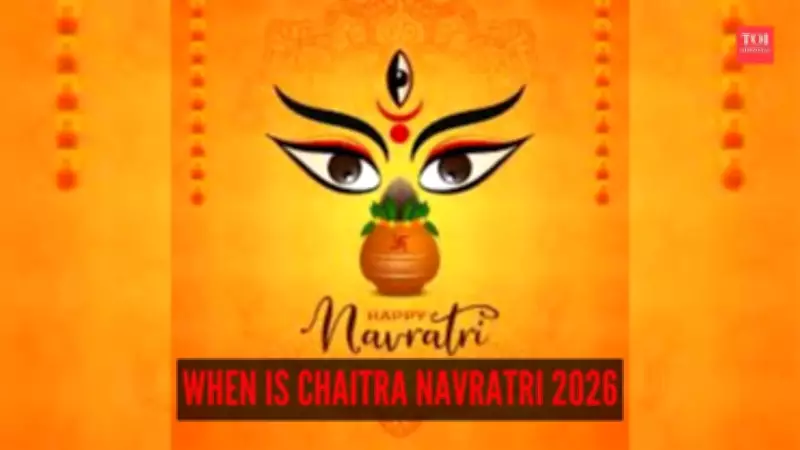
Chaitra Navratri 2026: A Comprehensive Guide to the Sacred Spring Festival
Chaitra Navratri stands as one of the most spiritually significant Hindu festivals, celebrated with profound devotion and religious fervor across India. This nine-day festival is dedicated to worshipping Goddess Durga and her nine divine avatars, marking both spiritual renewal and the commencement of the Hindu New Year. Occurring during the Chaitra month, which aligns with the vibrant spring season, Chaitra Navratri symbolizes growth, positivity, and the triumph of divine energy over darkness.
Chaitra Navratri 2026 Date and Time Schedule
In 2026, Chaitra Navratri will be observed from Thursday, March 19, to Friday, March 27. The festival initiates on the Pratipada (first day) of the Shukla Paksha in the Hindu month of Chaitra. According to Drik Panchang, the precise timings are as follows:
- Chaitra Navratri Start Date: 19 March 2026
- Navratri End Date: 27 March 2026
- Pratipada Tithi Begins: 19 March 2026 at approximately 6:52 AM
- Pratipada Tithi Ends: 20 March 2026 at around 4:52 AM
The festival commences with Ghatasthapana or Kalash Sthapana, a ritual where a sacred pot is installed to invoke Goddess Durga's presence. This ceremony marks the beginning of the nine-day worship. The festival culminates on the ninth day, known as Ram Navami, which celebrates the birth of Lord Rama and signifies the conclusion of Navratri.

Understanding Chaitra Navratri: The Vasant Navratri
Also referred to as Vasant Navratri due to its occurrence in spring, Chaitra Navratri honors the divine feminine power, or Shakti, embodied by Goddess Durga. Devotees worship her nine distinct forms, each representing different aspects of strength and wisdom:
- Shailputri
- Brahmacharini
- Chandraghanta
- Kushmanda
- Skandamata
- Katyayani
- Kaalratri
- Mahagauri
- Siddhidatri
Each day of Navratri is dedicated to one of these forms, with devotees offering prayers, flowers, and bhog (sacred food) to seek blessings for prosperity, protection, and spiritual purification.
Historical and Mythological Background
The origins of Navratri are deeply rooted in Hindu mythology, most notably the tale of Goddess Durga's victory over the demon king Mahishasura. According to legend, Mahishasura obtained a boon that made him nearly invincible, leading him to wreak havoc across heaven and earth. In response, the gods united their energies to create Goddess Durga, a powerful deity endowed with divine strength.
Goddess Durga engaged in a fierce battle with Mahishasura for nine nights, ultimately defeating him on the tenth day. This victory of good over evil is celebrated during Navratri, symbolizing courage, righteousness, and the supremacy of divine energy. The festival thus serves as a reminder of the eternal struggle between light and darkness, encouraging devotees to embrace virtuous qualities.
Significance and Importance of Chaitra Navratri
Chaitra Navratri holds immense spiritual, cultural, and social importance in Hindu society. As the festival heralds the Hindu New Year, it represents new beginnings, growth, and positive transformation. The onset of spring during this period further emphasizes renewal and vitality.
Worshipping Goddess Durga over nine days is believed to remove obstacles, bestow prosperity, and purify the mind and soul. Many devotees observe fasts (vrat) to discipline the body and enhance spiritual focus. Practices such as meditation, chanting, and devotional singing are common, fostering a sense of community and inner peace.
Beyond its religious aspects, Chaitra Navratri encourages the cultivation of virtues like patience, trust, and discipline. The nine days are seen as a spiritual journey toward self-purification and enlightenment. Regionally, the festival is celebrated under different names, reflecting India's diverse cultural tapestry:

- Gudi Padwa in Maharashtra
- Ugadi in Karnataka and Andhra Pradesh
- Navreh in Kashmir
Rituals and Celebrations During Chaitra Navratri
Chaitra Navratri is marked by a series of traditional rituals that deepen devotees' spiritual connection:
- Ghatasthapana (Kalash Sthapana): This inaugural ritual involves installing a sacred pot, symbolizing divine energy, to invoke Goddess Durga's blessings.
- Fasting (Vrat): Devotees may fast for all nine days or on specific days, consuming simple vegetarian foods like fruits, milk, and special Navratri dishes.
- Daily Durga Puja: Each day, prayers are offered to a different form of Goddess Durga, accompanied by offerings of flowers and bhog.
- Kanya Puja: On the eighth or ninth day, young girls are worshipped as manifestations of the goddess and presented with food and gifts.
- Ram Navami Celebration: The festival concludes with celebrations honoring Lord Rama's birth, featuring prayers, feasts, and community gatherings.
Chaitra Navratri is a sacred festival that embodies spirituality, devotion, and the eternal victory of truth over evil. It serves as a tribute to the divine energy of Goddess Durga, offering devotees a renewed spiritual quest. Through fasting, prayer, and reflection, individuals seek blessings for happiness, prosperity, and inner peace. As Chaitra Navratri 2026 approaches from March 19 to March 27, it presents a profound opportunity to connect with the feminine divine, embracing strength, wisdom, and protection in the journey ahead.





