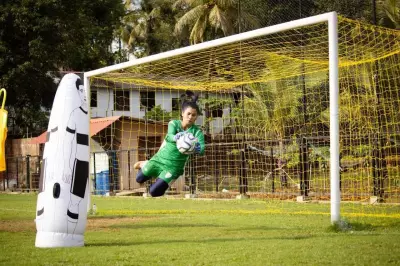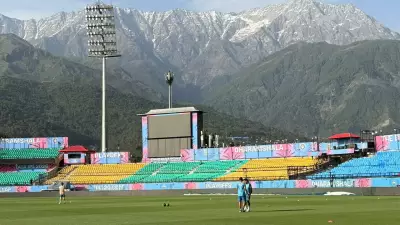
India's sporting aspirations are reaching unprecedented heights with plans to host the 2030 Commonwealth Games and a determined bid for the 2036 Olympic Games. The nation envisions grand spectacles, world-class stadiums, and its youth proudly standing on podiums draped in gold medals. These dreams symbolize healthy national ambition and global recognition. However, a persistent environmental challenge threatens to cloud these aspirations: the toxic air pollution that blankets many of India's key sporting hubs.
The Harsh Reality for Athletes
Recent events have starkly highlighted this pressing issue. During the India Open badminton tournament in New Delhi, a top international player withdrew from competition, citing the capital's dangerously high Air Quality Index levels. This incident is not isolated; numerous athletes have expressed concerns to international sporting bodies, including the International Olympic Committee. For Indian athletes who live and train within the country, the problem is even more acute.
Health and Training Impacts
Sportspersons across various disciplines consistently report that severe pollution and extreme heat significantly disrupt their training schedules. These environmental factors lead to respiratory issues, reduced stamina, and long-term health complications that can shorten careers. More alarmingly, the unhealthy outdoor conditions are limiting physical activity for children in local parks and playgrounds. This reduction in playtime not only diminishes fitness levels but also increases susceptibility to illnesses, potentially affecting the development of future athletic talent.

Broader Economic Implications
The air quality crisis extends beyond sports into critical economic domains. At the recent World Economic Forum, prominent economist Gita Gopinath, former first deputy managing director of the International Monetary Fund, emphasized that pollution poses a greater threat to India's economic growth than traditional barriers like tariffs. This perspective underscores that environmental health is intrinsically linked to national prosperity and development.
Learning from Global Precedents
When Beijing prepared to host the Olympic Games, the city faced air quality challenges similar to those confronting Delhi today. Between 2000 and 2008, Chinese authorities implemented a comprehensive series of measures including industrial plant relocations, traffic control systems, reduced coal usage, and emission regulations. These efforts demonstrated that determined policy action can create meaningful environmental improvements within a defined timeframe.
Strategic Solutions for India
India must now develop and execute tailored strategies to address its unique environmental circumstances. Several immediate and long-term approaches could help mitigate the impact on sports:
- Intelligent scheduling of sporting events to avoid peak pollution periods
- Seasonal relocation of national training bases to cleaner regions
- Strategic shifting of international competitions to less affected areas
- Comprehensive reworking of annual competition calendars
- Substantial investment in indoor, climate-controlled training facilities
These measures represent practical steps that authorities can implement while broader environmental solutions are developed. The fundamental challenge extends beyond medal counts and successful hosting bids. At its core, this issue reflects the nation's commitment to safeguarding the health and wellbeing of its citizens, particularly the younger generation who represent India's athletic future.
Grand ambitions inevitably require difficult decisions and determined action. As India positions itself on the global sporting stage, addressing environmental challenges becomes not merely an option but an essential prerequisite for sustainable athletic excellence and national health.