IOC Reaches Compromise on Ukrainian Athlete's Protest Gear at Winter Games
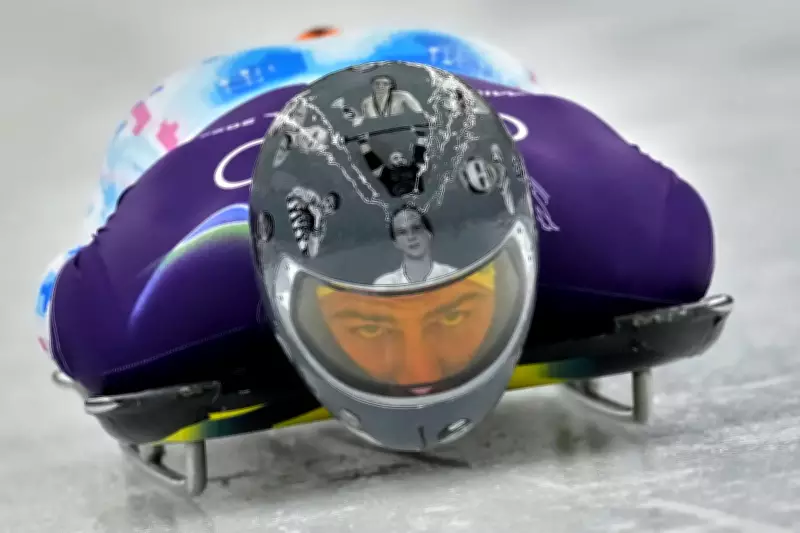
The International Olympic Committee has reached a delicate compromise with Ukrainian skeleton racer Vladyslav Heraskevych regarding his planned tribute to athletes killed in the ongoing war with Russia. Heraskevych has been granted permission to wear a plain black armband during competition at the Milan Cortina Games, but his specially designed helmet featuring the faces of deceased Ukrainian athletes has been prohibited.
A Carefully Balanced Decision
IOC spokesperson Mark Adams addressed the situation on Tuesday, describing the organization's approach as one of compassion balanced with Olympic regulations. "I think what we've tried to do is to address his desires with compassion and understanding," Adams stated. "He has expressed himself on social media and in training, and we will not stop him expressing himself in press conferences or as he leaves competition. We feel that this is a good compromise in the situation."
The 25-year-old athlete, who finished fourth at last year's world championships and is considered a medal contender, received notification late Monday that his helmet would not be approved. Olympic officials determined the helmet violated the longstanding ban on political statements at the Games.

The Memorial That Won't Be Seen
Heraskevych's helmet design included images of several Ukrainian athletes killed since 2022, including:
- Figure skater Dmytro Sharpar, a former Youth Olympic Games teammate
- Boxer Pavlo Ishchenko
- Hockey player Oleksiy Loginov
According to Heraskevych, some of these athletes were killed while serving on the front lines, while at least one lost his life while delivering humanitarian aid. "I cannot understand how this helmet hurt anyone," Heraskevych told The Associated Press. "It's to pay tribute to athletes and some of them were medalists in the Youth Olympic Games. That means they're Olympic family. They were part of this Olympic family, so I cannot understand they would find a reason why not."
Armband Exception With Strict Conditions
While the IOC noted that armbands have been prohibited in previous cases, Adams confirmed an exception was being made for Heraskevych, though he stressed this decision does not create a precedent for all athletes. The armband must remain completely plain with no text or symbols.
It remains unclear whether Heraskevych will choose to wear the approved armband. The athlete maintains that his helmet tribute should be permitted, stating: "We didn't violate any rules, and it should be allowed for me to compete with this helmet."
International Attention and Schedule
The issue has drawn significant attention, including from Ukrainian President Volodymyr Zelenskyy, who posted on Instagram to thank Heraskevych for "reminding the world the price of our struggle."
Heraskevych has training runs scheduled for Tuesday and Wednesday, with the men's skeleton event competition expected to begin on Thursday. The decision represents another chapter in the ongoing tension between athlete expression and Olympic neutrality policies, particularly regarding conflicts that have drawn global attention.
The compromise reflects the IOC's attempt to navigate the sensitive intersection of personal tribute, political statements, and athletic competition at the world's premier sporting event.