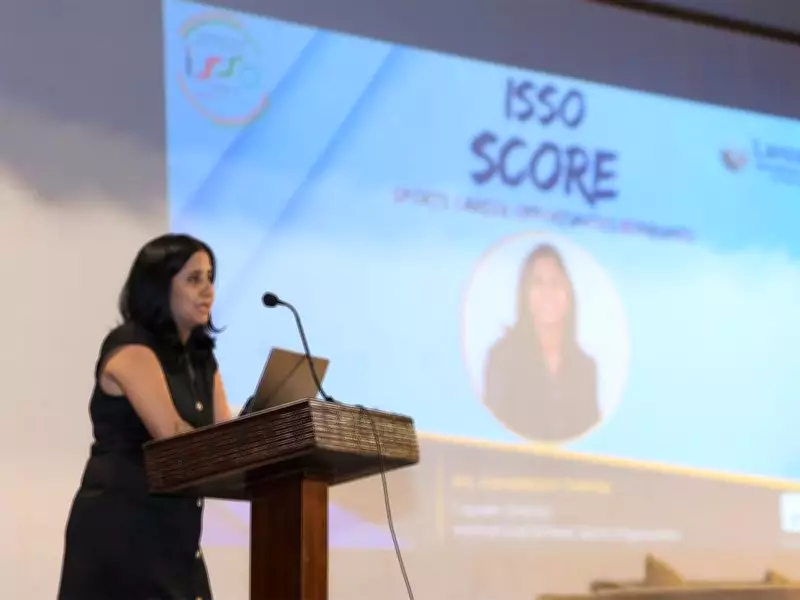
Aakansha Thapak, Director of the Indian School Sports Organization (ISSO), has emphasized the critical importance of training the trainers in school sports, noting that the Indian sports ecosystem has evolved significantly beyond the traditional playing field. In a recent interview, she highlighted how the focus has shifted from merely producing athletes to creating a holistic sports culture that nurtures talent from the grassroots level.
The Need for Trained Trainers
Thapak argued that the quality of coaching at the school level is paramount. She stated that many physical education teachers lack formal training in modern sports science and pedagogy. To address this, ISSO has launched initiatives to upskill teachers through workshops and certification programs. These programs cover areas such as sports psychology, injury prevention, and age-appropriate training methods.
India's Sports Ecosystem Evolution
She noted that the Indian sports ecosystem has moved beyond just the playing field. Today, it encompasses sports science, data analytics, nutrition, and mental health support. This holistic approach is essential for producing world-class athletes. Thapak cited examples of schools that have integrated technology to track student performance and tailor training programs accordingly.

Grassroots Development
Thapak stressed that grassroots development is key to India's sporting future. She pointed out that many talented children from rural areas lack access to proper coaching. ISSO is working to bridge this gap by partnering with state governments and NGOs to conduct training camps in remote regions. These camps not only teach sports skills but also educate parents about the benefits of sports.
Challenges and Solutions
One of the major challenges is the lack of infrastructure in many schools. Thapak acknowledged this but emphasized that innovative solutions can overcome it. For instance, schools can use local parks or community grounds for practice. Additionally, ISSO promotes low-cost equipment and multi-sport approaches to maximize resource utilization.
Future Plans
Looking ahead, ISSO plans to expand its reach to 10,000 schools by 2025. The organization aims to create a standardized curriculum for school sports that aligns with national sports policies. Thapak also called for greater collaboration between schools, sports federations, and the government to build a robust sports ecosystem.
In conclusion, Thapak reiterated that training the trainers is the most effective way to transform school sports in India. With the right investment in human capital and infrastructure, India can unlock its vast sporting potential.