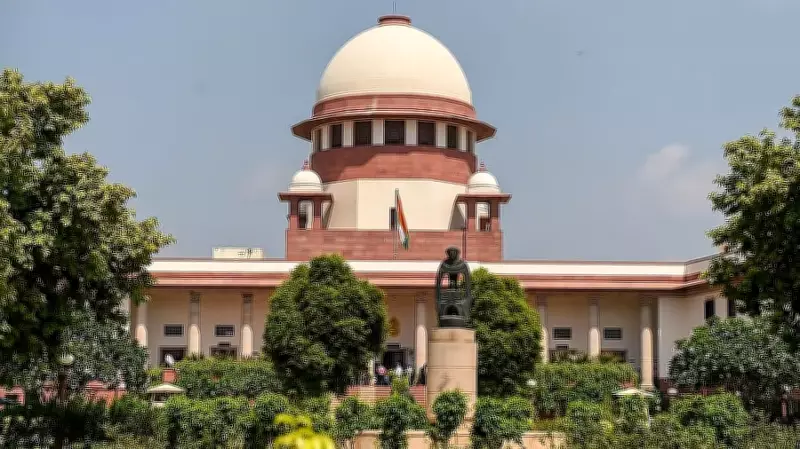
The Supreme Court's recent endorsement of the Election Commission of India's (ECI) sweeping powers regarding the Special Intensive Revision (SIR) of electoral rolls has raised serious concerns about democratic accountability. By legitimizing the SIR process, the Court risks overlooking mass voter disenfranchisement and undermining the principle of inclusive elections.
Background of the SIR Controversy
The SIR is a process used by the ECI to revise electoral rolls, often targeting specific areas or communities. Critics argue that it has been employed to systematically exclude eligible voters, particularly from marginalized groups. The Supreme Court's nod to the ECI's institutional expertise and broad powers has been seen as a troubling endorsement of these practices.
Implications for Democratic Accountability
When the judiciary defers to the ECI's expertise without rigorous scrutiny, it risks creating a gap in accountability. The ECI's actions, while technically within its mandate, may not always align with democratic principles. The Court's role as a check on executive overreach is compromised when it validates potentially exclusionary measures.

The decision has sparked debate among legal experts and civil society organizations. Many argue that the SIR process lacks transparency and due process, leaving voters vulnerable to arbitrary removal. The Supreme Court's judgment, by emphasizing the ECI's autonomy, may inadvertently encourage further disenfranchisement.
Historical Context of Voter Exclusion
India has a history of electoral roll manipulation, with reports of large-scale deletions of voters from minority communities. The SIR has been a tool in such controversies, particularly in states with sensitive demographics. The Supreme Court's endorsement could set a precedent that undermines the fundamental right to vote.
Way Forward
To restore faith in the electoral process, the ECI must adopt transparent mechanisms for roll revision. Independent oversight and public hearings should be mandatory. The Supreme Court, too, must balance its respect for institutional expertise with its duty to protect constitutional rights. Without such checks, the SIR will remain a troubling nod for electoral exclusion.