Zelensky Stands with Ukrainian Athlete in Olympic Helmet Controversy
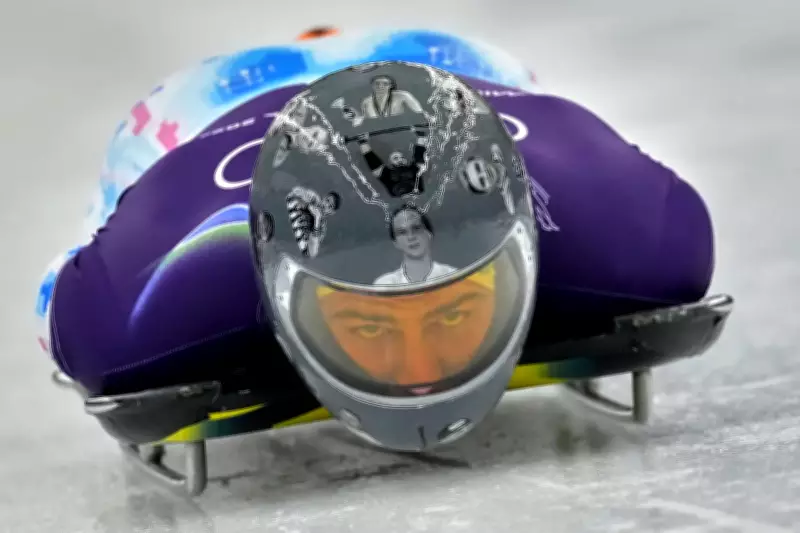
Ukrainian President Volodymyr Zelensky has issued a powerful statement of support for skeleton racer Vladyslav Heraskevych, following reports that the International Olympic Committee (IOC) has prohibited the athlete from wearing a custom-designed helmet during the Winter Games in Italy. The helmet in question features portraits of Ukrainian sportsmen and women who have lost their lives since Russia's full-scale invasion began in 2022.
Helmet Ban Sparks Emotional Response from Athlete and President
Heraskevych, who served as Ukraine's flag bearer at the Winter Olympics, took to social media to reveal that his tribute helmet had been banned from both training sessions and official competition. The 27-year-old athlete expressed profound disappointment, stating, "It simply breaks my heart" in his online post. He confirmed his intention to file an official appeal and continue seeking permission to honor his fallen compatriots through his equipment.
While the IOC has not yet publicly confirmed the reported decision, President Zelensky responded swiftly and decisively. Writing on the social media platform X, Zelensky praised Heraskevych's efforts to maintain global awareness of the ongoing conflict. "I thank the flag bearer of our national team at the Winter Olympics, Vladyslas Heraskevych, for reminding the world of the price of our struggle," the Ukrainian leader wrote.

Political Expression Versus Olympic Protocol
Zelensky emphasized that the helmet's message should not be dismissed as merely political. "This truth cannot be inconvenient, inappropriate or called a 'political demonstration at a sporting event.' It is a reminder to the entire world of what modern Russia is," he asserted. This statement directly addresses the core tension between personal expression and Olympic regulations.
The controversy emerges against the backdrop of Olympic Rule 50, which restricts political gestures and demonstrations during competition. However, athletes retain the freedom to express their views in press conferences and through digital platforms. Ukrainian Sports Minister Matviy Bidnyi recently highlighted the devastating impact of the war on the nation's athletic community, noting that Russia's invasion has claimed the lives of more than 650 athletes and coaches.
Personal Mission Beyond Sport
Competing in his third Winter Games, Heraskevych has explained in video statements that the images on his helmet represent only a small fraction of those lost. Among those honored are Olympians and Youth Olympic medalists, including figure skater Dmytro Sharpar. For Heraskevych, this tribute represents a mission that transcends athletic achievement, serving as a poignant memorial to colleagues and friends whose lives were cut short by the conflict.
The debate continues to unfold as the international sports community grapples with how to balance Olympic neutrality with athletes' desire to acknowledge real-world tragedies. Heraskevych's appeal process and any potential IOC response will be closely watched by observers worldwide, particularly as Ukraine continues to defend itself against Russian aggression.