Arthur Ashe's 1992 HIV Announcement Revisited: A Legacy of Courage and Advocacy
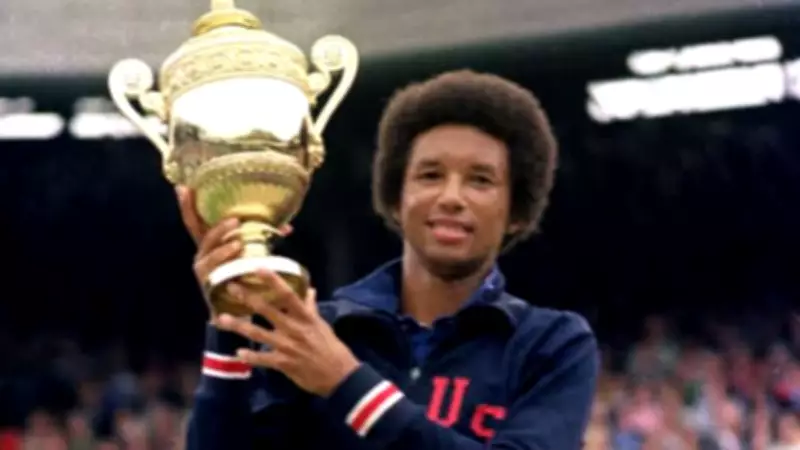
The name Arthur Ashe resonates once more, not for his legendary tennis victories but for a deeply personal revelation from his life. On April 8, 1992, Ashe publicly disclosed he was living with HIV, a moment now being remembered over three decades later, shedding light on his remarkable career and painful final years. Ashe, a tennis icon who won three Grand Slam titles and reached World No. 2, quietly battled a severe health issue that ultimately reshaped his legacy.
The Pressure Behind the Revelation: USA Today's Role
Arthur Ashe contracted HIV years earlier from a blood transfusion during heart surgery in 1983. At that time, widespread fear and misunderstanding surrounded the disease, leading Ashe and his wife, Jeanne Moutoussamy, to keep his condition private. However, in 1992, the situation changed dramatically. Reports indicate that USA Today had uncovered his diagnosis and planned to publish it. Ashe was contacted but requested time to handle the matter personally. The newspaper, however, made it clear the story would run regardless of his cooperation.
Faced with this pressure, Ashe chose to speak first. On April 8, 1992, he held a press conference in New York, confirming the news himself. He stated, "Beginning with my admittance to New York Hospital for surgery in September 1988, some of you heard that I had tested positive for H.I.V., the virus that causes AIDS. That is indeed the case." His words, delivered with calmness, underscored the immense weight of the situation and the privacy concerns affecting his family.

Final Years and Lasting Impact: From Illness to Inspiration
Arthur Ashe lived for approximately a year after going public. His health gradually declined, and he passed away on February 6, 1993, at a New York hospital due to AIDS-related pneumonia at the age of 49. Despite his declining condition, Ashe remained focused on helping others. He founded the Arthur Ashe Institute for Urban Health, an organization dedicated to improving healthcare access and awareness in underserved communities. His efforts extended beyond HIV advocacy, aiming to drive tangible change in public health.
Following his death, Ashe received numerous honors, including the Presidential Medal of Freedom from Bill Clinton. Additionally, the main stadium at the US Open was named Arthur Ashe Stadium, ensuring his name remains central to the sport he loved. Today, as people reflect on that 1992 moment, it is not merely about his death but about his courageous decision to confront a difficult truth openly during an era when many chose silence.
This revisitation of Ashe's story emphasizes how his legacy transcends tennis, inspiring ongoing discussions about health, privacy, and advocacy in the face of adversity.