The Unseen Workforce: The Debate Over Paying Australian Open Ball Kids
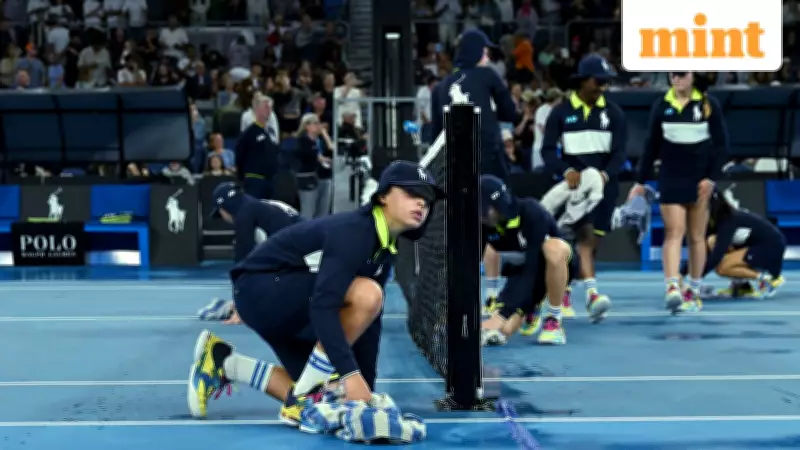
At every major tennis tournament, a dedicated team of ball kids works tirelessly behind the scenes to ensure smooth gameplay. The Australian Open, known as the "Happy Slam," is no exception, relying on approximately 435 young volunteers aged between 12 and 15 to keep matches running seamlessly. However, a growing debate has emerged regarding their treatment and compensation, with former tennis professionals and officials offering contrasting views.
A Call for Fair Compensation
In a rare and vocal appeal for change, former tennis star Mark Philippoussis has urged tournament organizers to consider paying these young volunteers. The 49-year-old Australian Davis Cup hero and Wimbledon finalist acknowledged the unique experience ball kids enjoy but emphasized the tournament's substantial financial resources.
"Why not? Give them some pocket money," Philippoussis told media when asked about the idea. "It’s a great opportunity for these kids to get out there and enjoy the atmosphere, to walk around, to watch some matches. But I know that this tournament spends a lot of money to make sure everyone’s happy."

The Tournament's Stance on Payment
Australian Open chief Craig Tiley responded to the proposal by highlighting the complexities involved. "It’s not a simple answer as yes or no, because there’s a lot of labour-related challenges that you’ve got to consider in it," Tiley explained, noting that paying ball kids "isn’t as simple as it sounds."
Instead of monetary compensation, Tiley pointed out that ball kids receive benefits in other forms. "The ball kids get paid in lieu of cash through tickets and transport, covering costs of food, and gifting," he stated, underscoring the non-financial perks provided to the young volunteers.
The Demanding Reality of Being a Ball Kid
The role of a ball kid is far from easy, involving physically demanding conditions that often go unnoticed by spectators. According to reports, these young volunteers endure harsh temperatures, long hours, and the occasional risk of being hit by a ball during intense rallies.
They typically spend around eight hours daily at the tournament, rotating through sessions lasting 45 minutes to an hour on court. This schedule frequently includes late nights and extended periods in extreme heat, making their contribution both valuable and challenging.
How Other Grand Slams Handle Ball Kid Compensation
The debate over paying ball kids reveals a varied approach across different major tournaments. Like the Australian Open, the French Open does not provide monetary payment to its ball kids, instead offering gifts as tokens of appreciation for their efforts.
However, other Grand Slams have adopted different models:
- In the United States, ball kids reportedly earn approximately $24 per hour for their services.
- At Wimbledon, they receive a stipend of around $395 for two weeks of work, acknowledging their commitment and hard work.
This disparity highlights the ongoing conversation about fair treatment and recognition for the young individuals who play a crucial role in the success of these prestigious events.