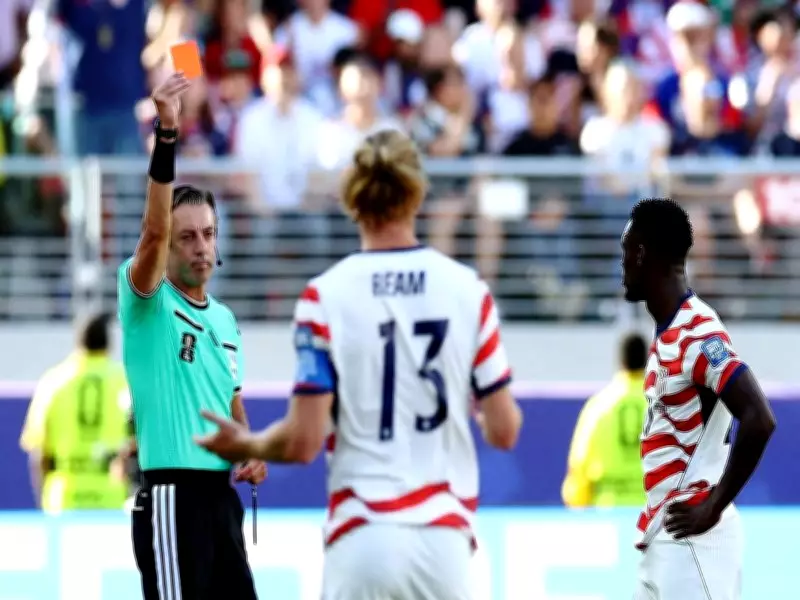
The European Union has called for transparency in FIFA's decision-making after U.S. striker Folarin Balogun's automatic one-match suspension was overturned following a phone call between U.S. President Donald Trump and FIFA president Gianni Infantino. The controversy has reignited debates over political interference in sports governance.
EU Stance on Autonomy and Fair Play
European Commission spokesperson Eva Hrncirova declined to comment directly on FIFA's decision but emphasized the EU's respect for the autonomy of sport. She stated that "any such decision should be made based on objective and transparent criteria," underscoring the bloc's commitment to fair play and transparent competition. Hrncirova added, "We respect the autonomy of sport, and we respect the right of sports federations to decide on the criteria under which participants compete," according to Politico.
Commissioner Micallef's Criticism
European Commissioner for Sport Glenn Micallef personally criticized FIFA's decision, calling it wrong. In a post on X, he wrote, "Many football fans, including former players, have already spoken out about the suspension of @balogun. As a fan, I too believe it was the wrong decision." He stressed that decisions on sporting rules must remain with sporting bodies, not politicians, warning that political interference would undermine the autonomy of sport. Micallef also highlighted the need to focus on broader governance issues, including the "weaponisation of sport for political purposes."

FIFA's Decision and Trump's Intervention
FIFA announced that the implementation of Balogun's automatic one-match suspension had been suspended under Article 27 of the FIFA Disciplinary Code, following an intervention by President Trump, who urged the organization to review the case. The FIFA Disciplinary Committee stated, "By operation of Article 27 FDC, the implementation of the automatic match suspension for USA player Folarin Balogun is suspended for a probationary period of one (1) year." The suspension was originally automatic, but the probationary period means Balogun will not serve the ban unless he commits another offense within a year.
Impact and Reactions
The decision has sparked widespread criticism from fans and former players, who view it as a precedent for political influence in FIFA's disciplinary processes. The EU's call for transparency reflects broader concerns about governance in international sports organizations. The incident highlights tensions between national political leaders and global sports bodies, with implications for the integrity of competition ahead of the 2026 FIFA World Cup.